Fire and Ice: An Icelandic Love Story

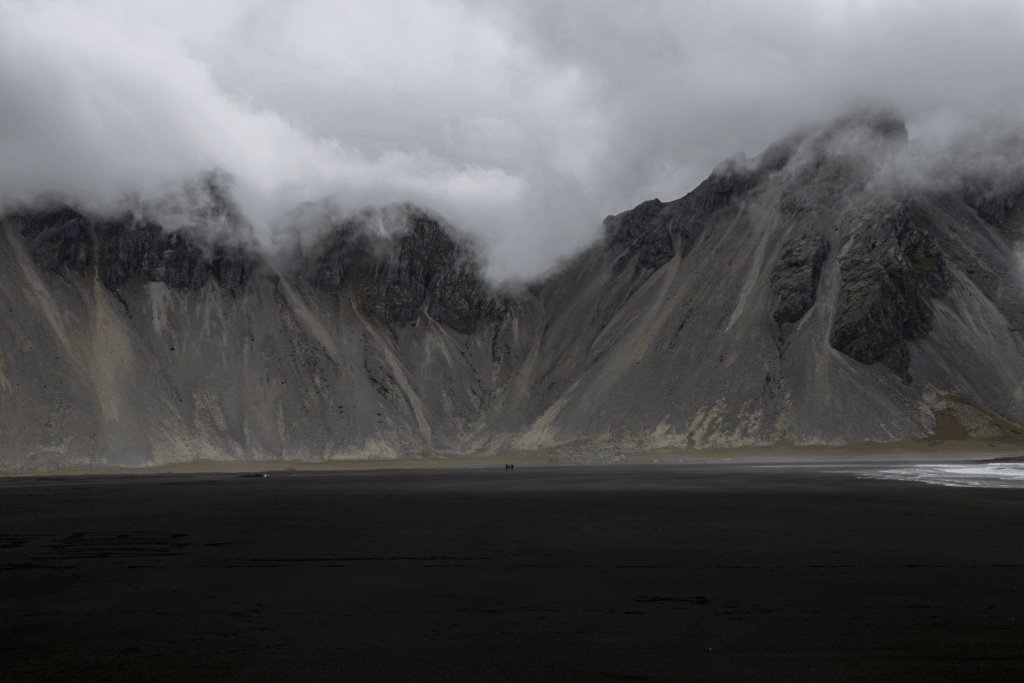
Low clouds cling to Vestrahorn as black sand and sea mist blur the line between earth and sky.

When Katie and I eloped in Iceland, it felt like we had stepped through a crack in the world and into someplace entirely new. One day we were juggling flights and last-minute details, the next, we were standing on black sand with the wind in our faces, rings on our fingers, mountains rising straight out of the sea. After we said our vows, we didn’t fly home right away. Instead, we stayed for two more weeks and circumnavigated the island, tracing the Ring Road in a little car that became our home. Our days settled into a rhythm: wake to the sound of rain or gulls, drive until the landscape changed again, stop whenever something made us say, “We have to pull over,” which was often!
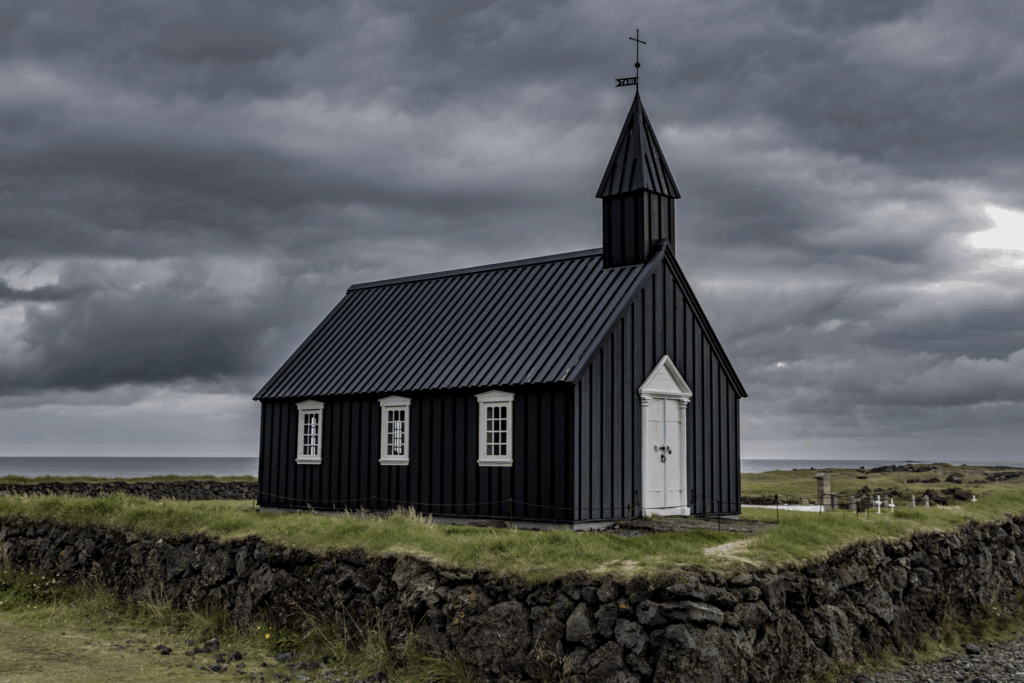
The little black church at the edge of the world, standing steady against wind, rain, and centuries of stories.

On the south coast, Vestrahorn appeared out of the mist like a mirage jagged peaks spilling into black sand and low clouds curling around the ridges. It felt like a place where dragons should live, not newlyweds with granola bars in their pockets. We walked in the drizzle, watching powerful waves erase our footprints almost as soon as we made them.

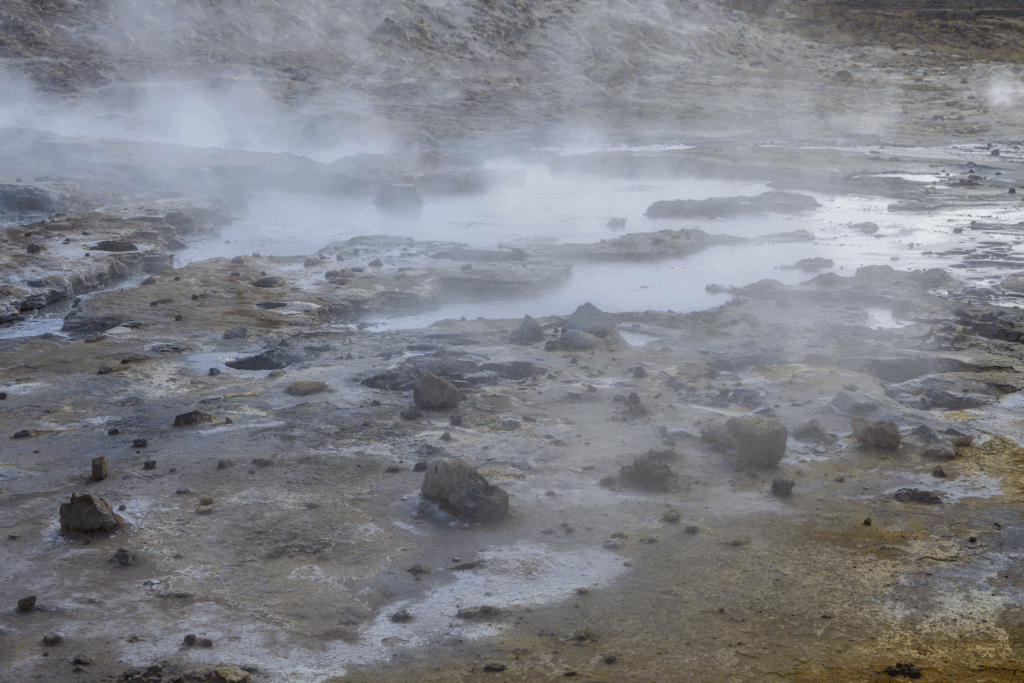
Farther along, we found the small black church perched on a lava field, facing the sea. Its dark walls and simple white door made it look like a charcoal sketch pulled into three dimensions. There was a graveyard behind it and miles of empty coastline in front, and for a moment it was just the two of us and the sound of the wind scraping over the rocks. It was both lonely and comforting proof that people have built lives in this raw landscape for generations. The earth itself never let us forget how alive it was. We hiked through geothermal areas where the ground steamed and hissed, the soil stained with mineral colors you’d expect in a painting, not under your boots. Puddles weren’t always water; sometimes they were mud pits quietly boiling, sending up the smell of sulfur as if the island were exhaling. Walking there felt like tiptoeing across the crust of something huge and breathing.
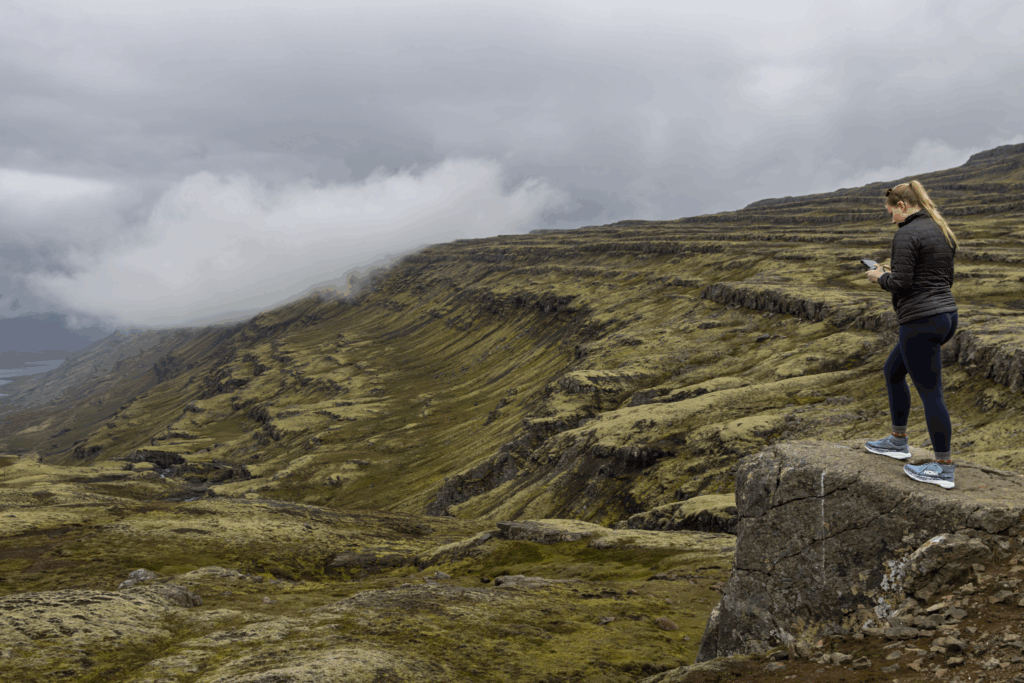
Katie pausing above a sea of moss-covered ridges, looking as if she’s checking directions on another planet.

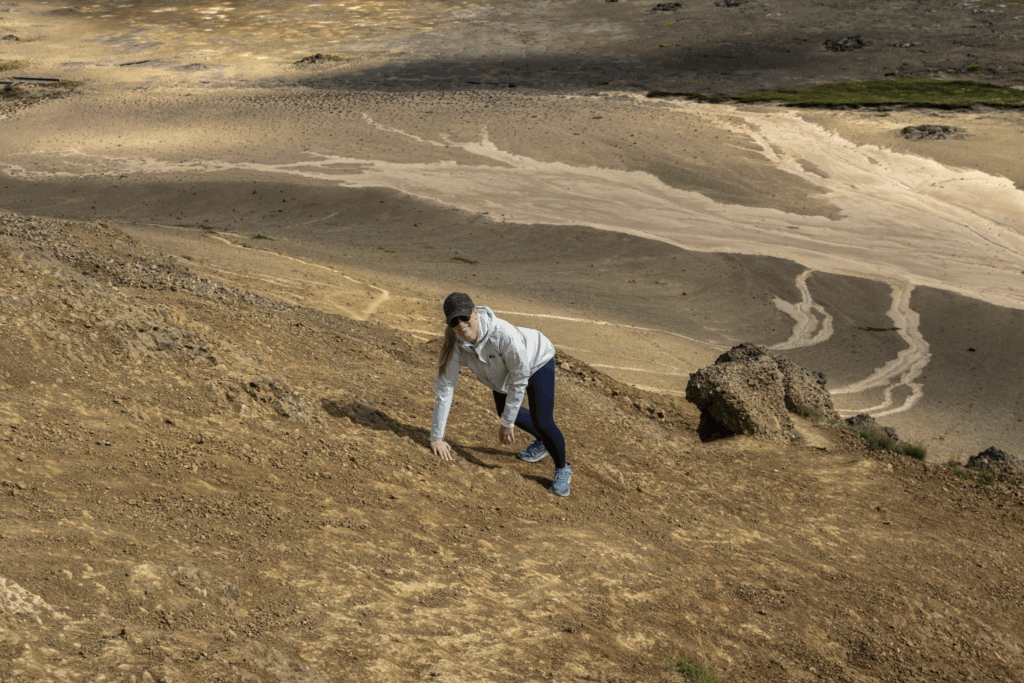
Scrambling up a sun-baked, sulfur-streaked slope that felt more like Mars than Earth.

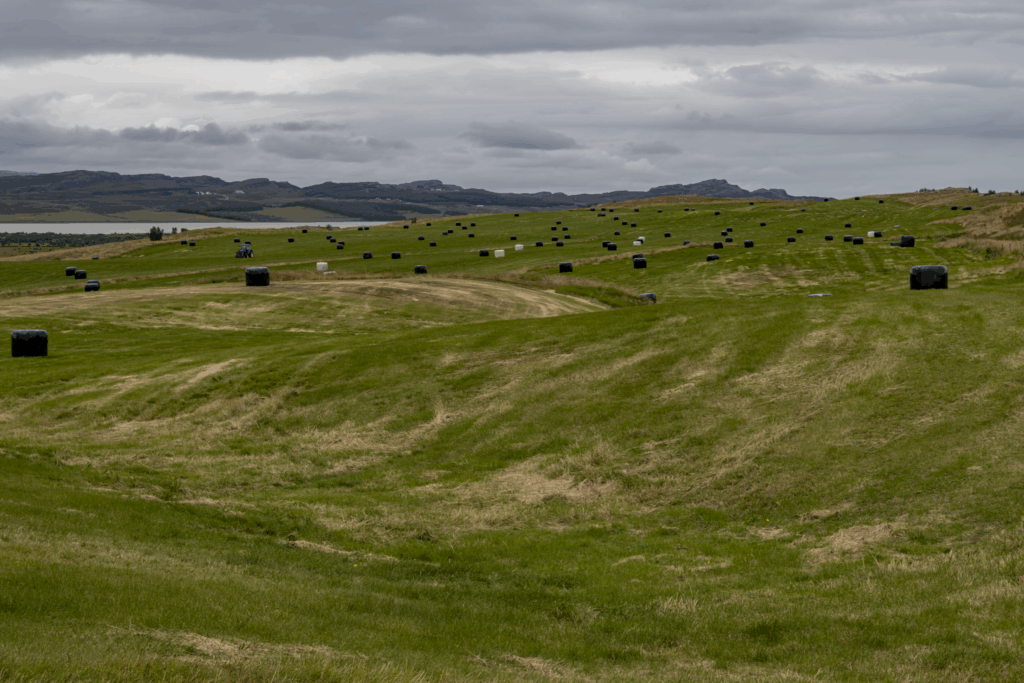
Rolls of hay scattered across bright green fields, proof that even on this wild island, people quietly carve out a life.

Pools of boiling mud and steam, the earth exhaling right beneath our feet.

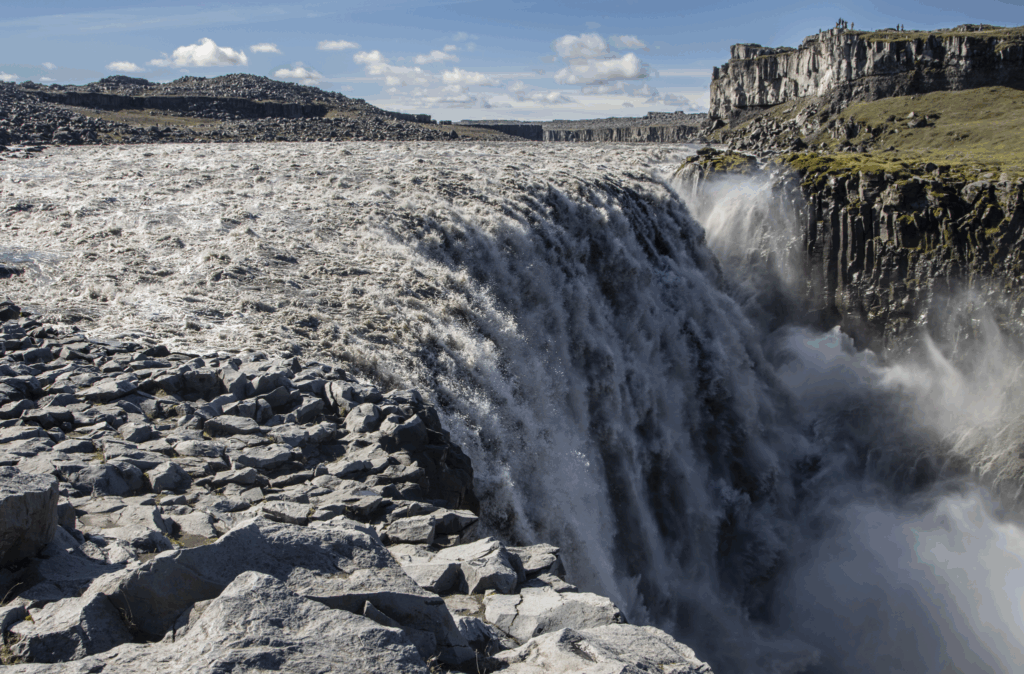
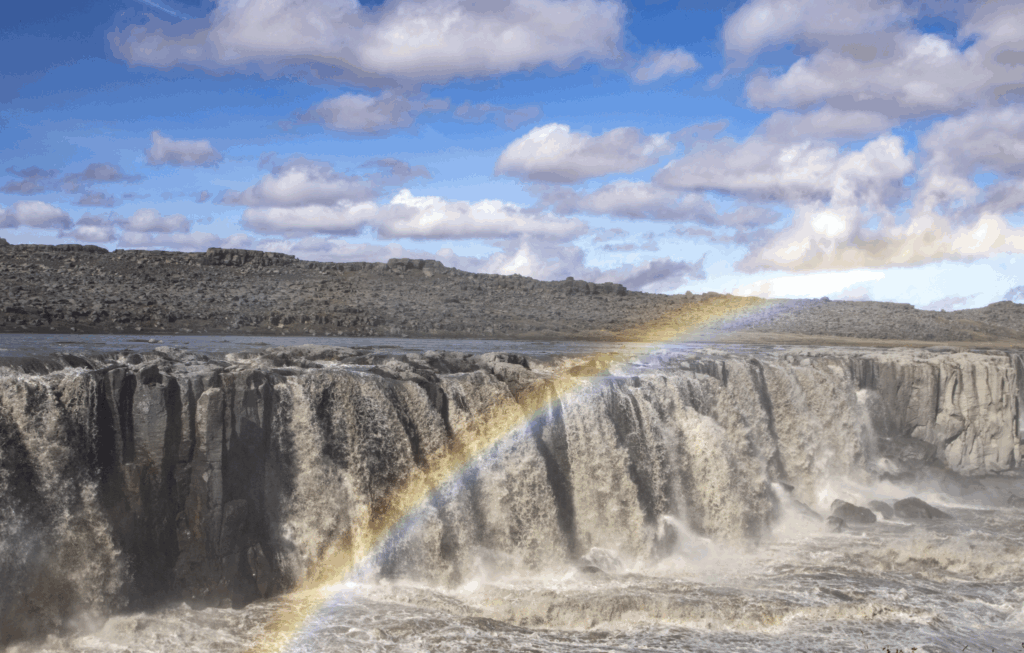
In the north, the power of water took center stage. We followed the sound of it long before we saw it, a low, unbroken roar that grew louder with every step. Then the canyon opened and there was Dettifoss, a wall of white water relentlessly pounding into the gorge below. The spray hit our faces from what felt like an impossible distance. For a few minutes a rainbow stretched across the falls, hanging there like a bridge between the familiar world we came from and this strange, beautiful one we had married into.

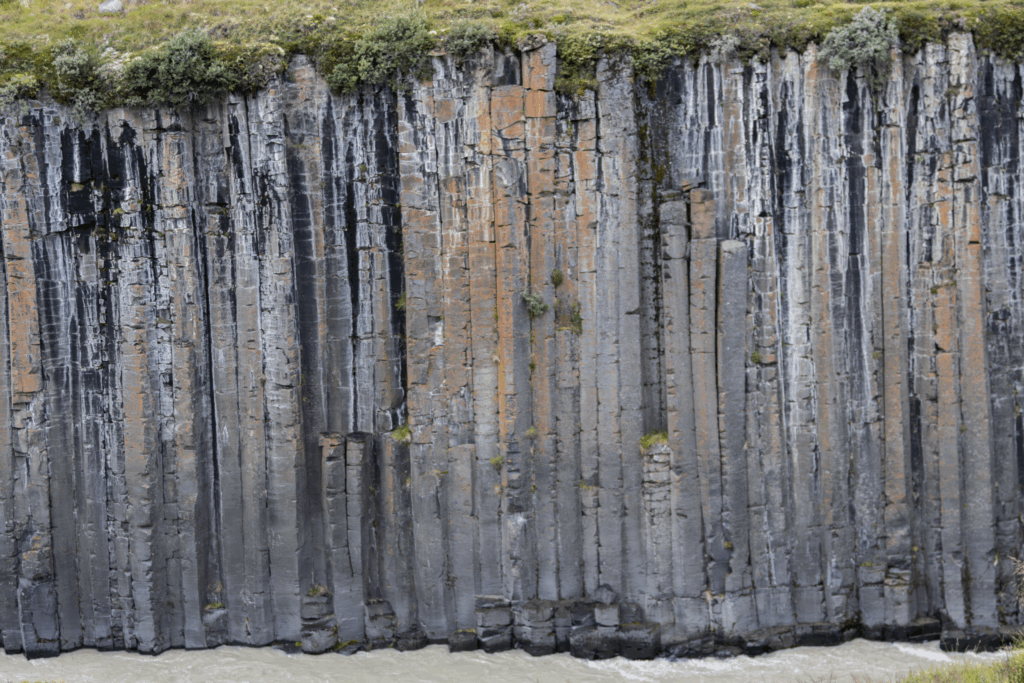
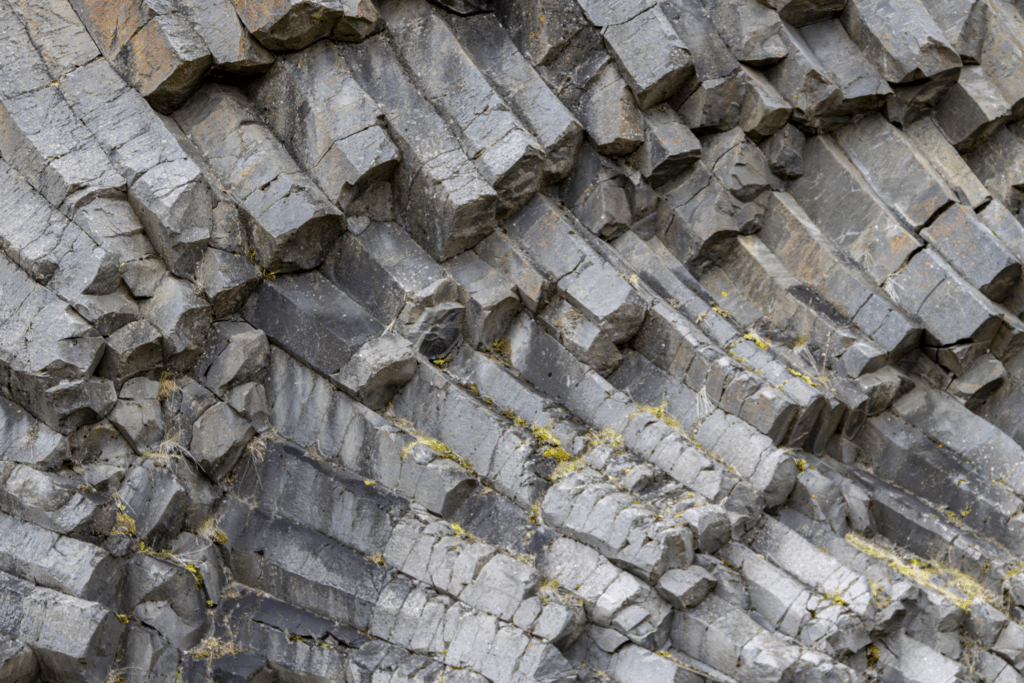
Not all of Iceland is dramatic in the same way. Some of the most memorable stretches were quiet: rolling green fields dotted with black hay bales, farmhouses tucked against hills, sheep that stared at us with mild suspicion. Those scenes grounded the trip. This wasn’t just a fantasy landscape or a movie set people live here, raise kids here, ride out long winters here. It made the wild parts feel even wilder. Then there were the rocks. Iceland’s basalt formations were like natural cathedrals, columns rising straight up, stacked and symmetrical, as if some meticulous architect had carved them with a ruler and chisel. In other places the same rock was twisted and fractured, tilted at odd angles as if the ground had been shaken and the pieces never quite fit back together. Standing beneath those cliffs, we felt small in the best possible way.
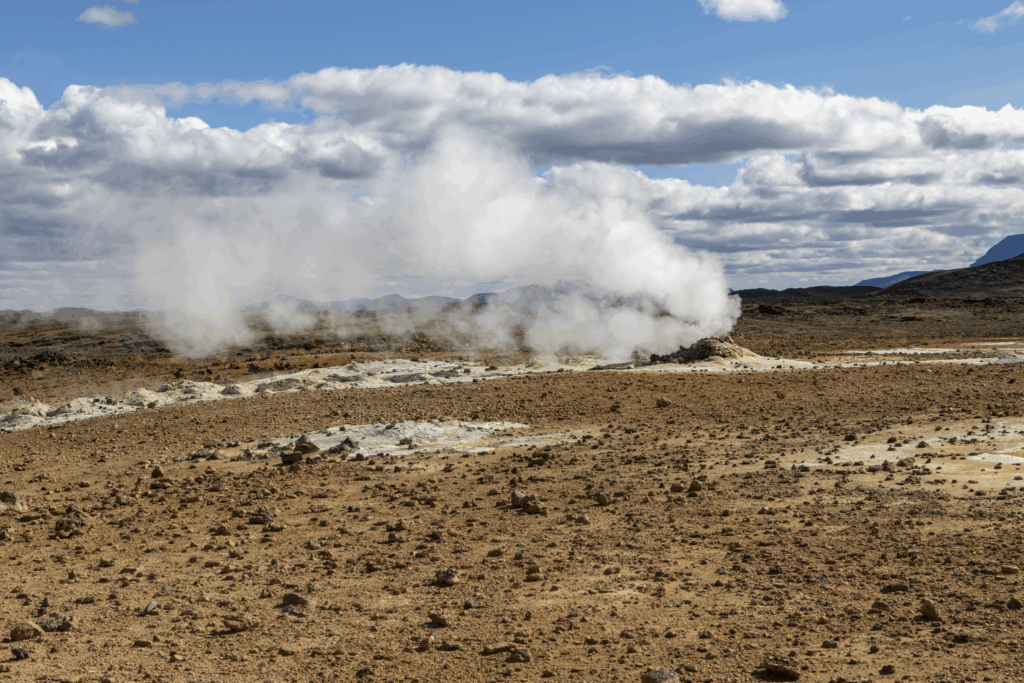
From a distance, a single plume of steam rises from the geothermal plain, a reminder that Iceland is still being forged in real time.

A fleeting rainbow arcs across the roar of the falls, sunlight, mist, and luck lining up for one perfect moment.

Dettifoss thundering into the canyon, a wall of water that made the ground tremble under our boots.

Basalt columns stacked like giant organ pipes, each one a frozen note in Iceland’s volcanic song.

Close-up of the fractured basalt, geometric chaos sculpted by lava and time.

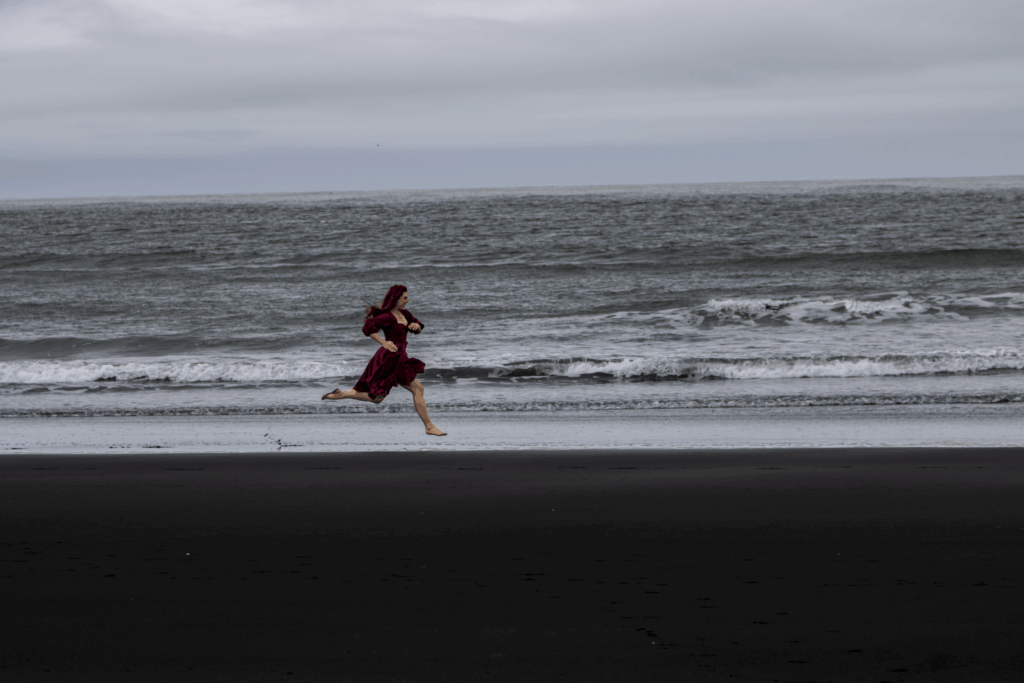
A tourist racing barefoot along the black sand to capture her perfect shot, the Atlantic wind tugging at her dress and our laughter disappearing into the surf.

Driving around Iceland after our elopement, I kept thinking that we were seeing the planet without its usual disguise. No thick forests, no layers of city, no cozy blanket of familiarity just raw earth, freshly cooled lava, glaciers, waterfalls, and steam rising from cracks in the ground. It looked strange and otherworldly, but somehow it made our own small human story feel even more precious.

We came to Iceland to get married. We left feeling like we had been given a glimpse of the planet mid-creation fire beneath our feet, ice on the horizon, and a road that kept winding toward the next impossible view.

This is our love story, written in black sand, basalt columns, glaciers, and volcanoes.

Exploring the Wonder of Australia: Carins, Melbourne, and Sydney

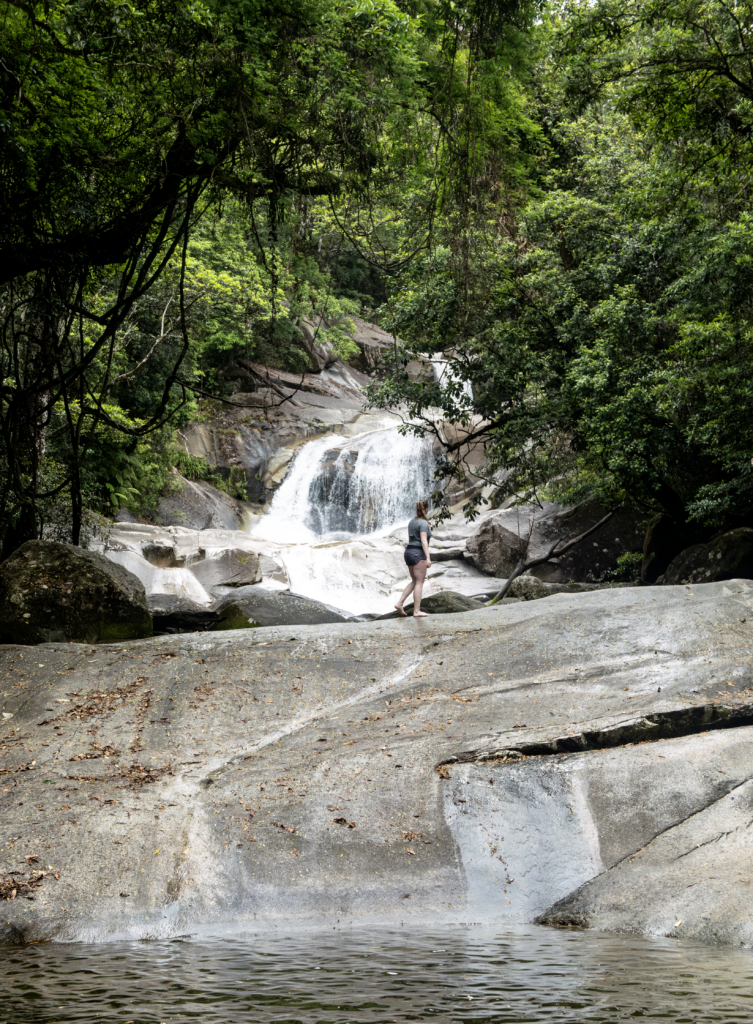
Last year, Katie and I set out on an adventure of a lifetime to Australia, departing from LAX aboard a United Airlines Boeing 787-9 Dreamliner. The 16-hour flight over the vast Pacific Ocean built up our anticipation for the wonders that awaited us. Our first stop was Cairns, a tropical paradise and the gateway to the Great Barrier Reef. Snorkeling among vibrant corals and exotic marine life was awe-inspiring, but our adventure truly escalated when Tropical Storm Jasper swept through the region making for a different snorkeling experience than Belize. The storm turned the jungles into a lush, rain-soaked wonderland that made for an unforgettable experience.

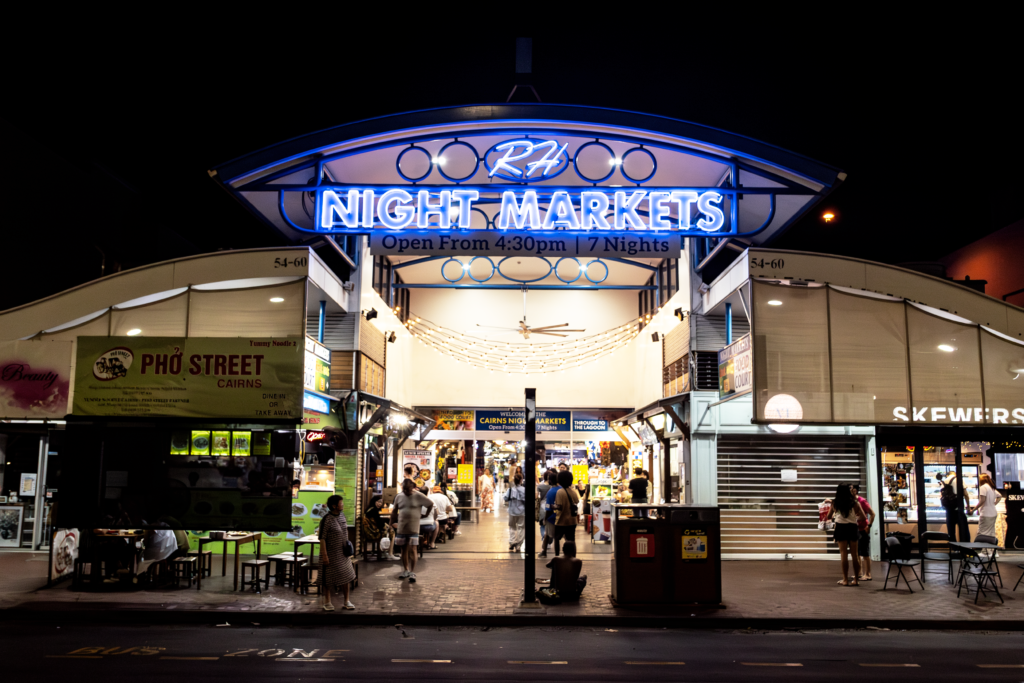
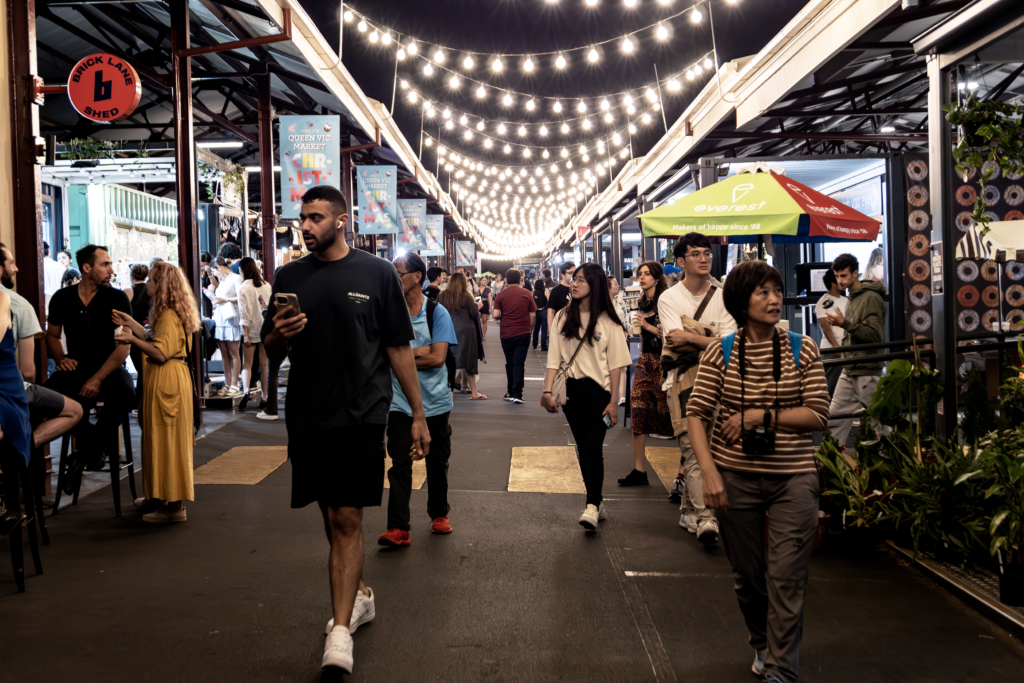
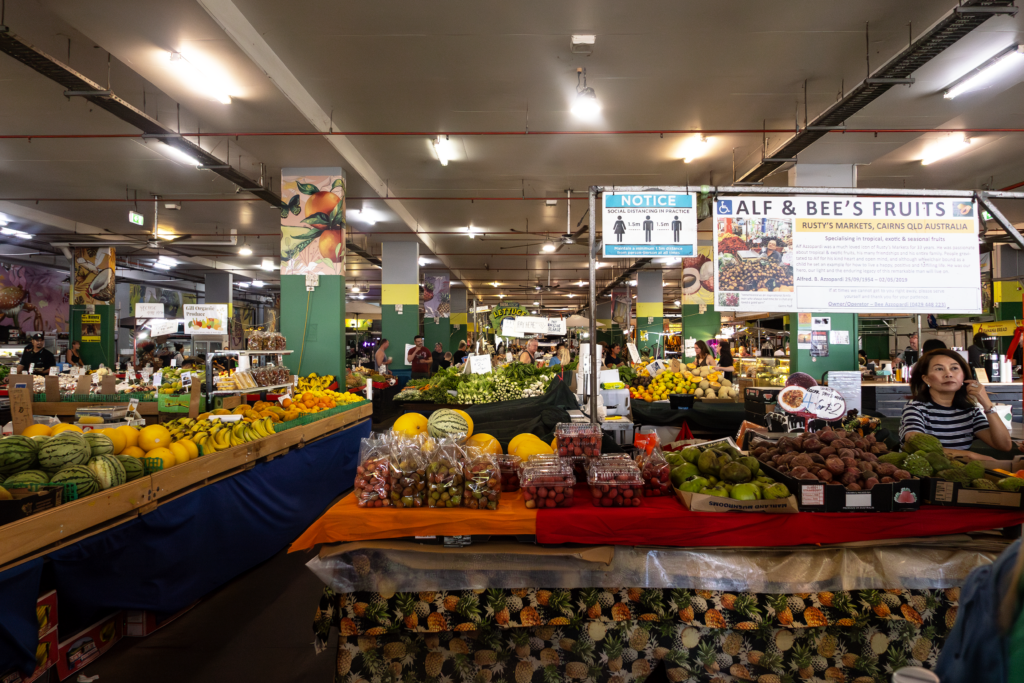
One of our most thrilling memories in Cairns was encountering saltwater crocodiles. As we about to race into the warm ocean water, locals pointed out a massive croc hovering nearby. That close call left us in awe of the wild and untamed beauty of the region. Cairns also surprised us with its lively Night Markets—a must-see for anyone thinking of visiting northern Australia. The markets came alive at dusk with delicious food, artisan goods, and unique souvenirs. From tasting local tropical fruits to observing the vibrant atmosphere, the Night Markets became one of the highlights of our trip.
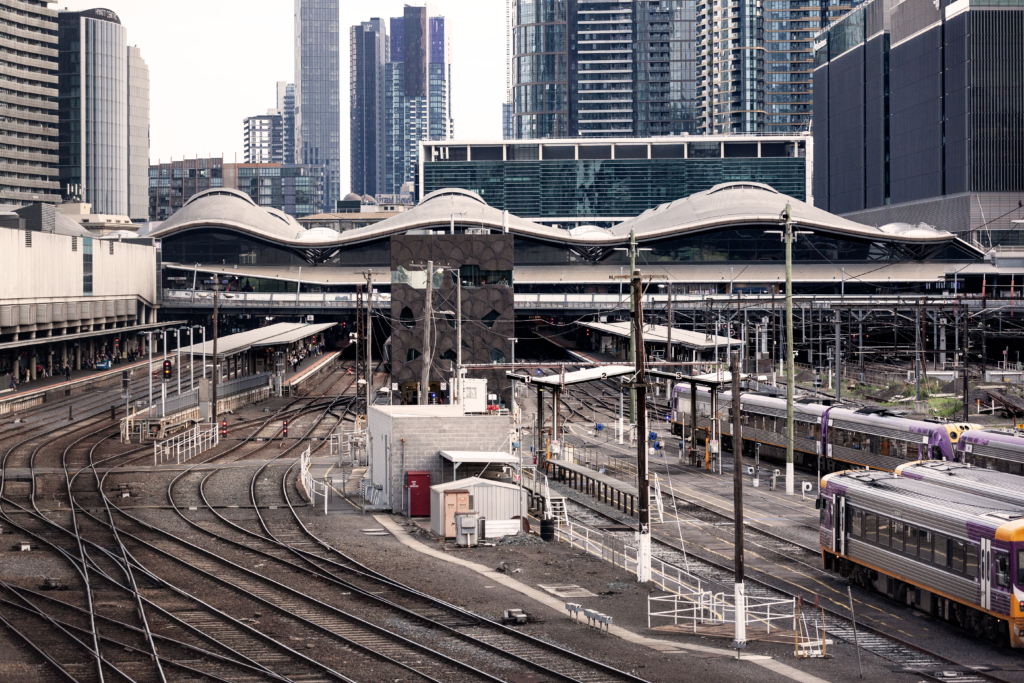
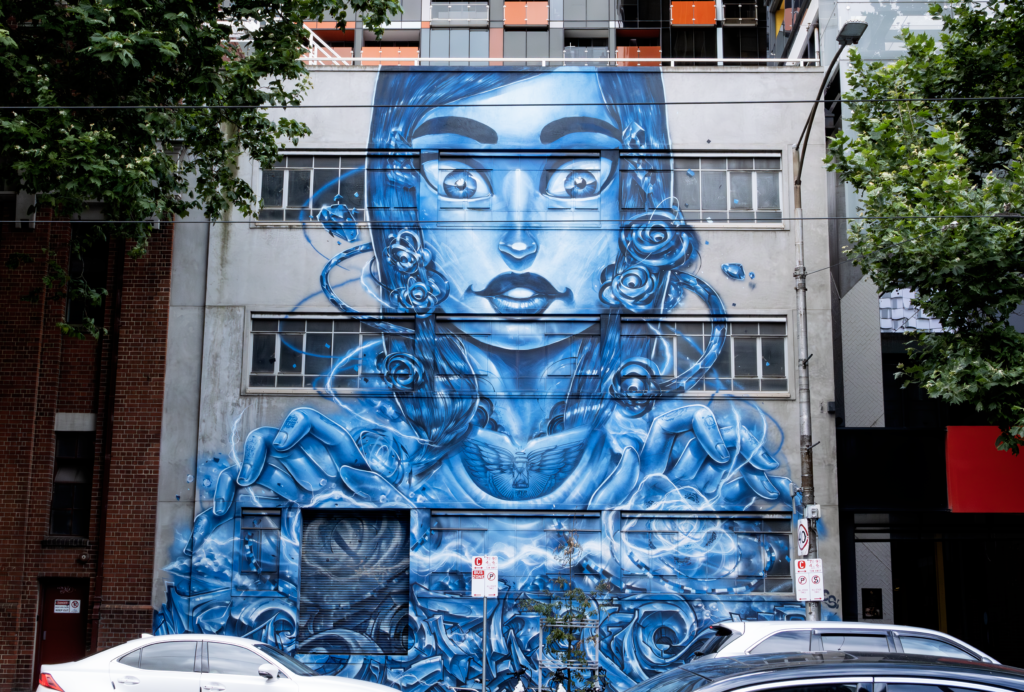
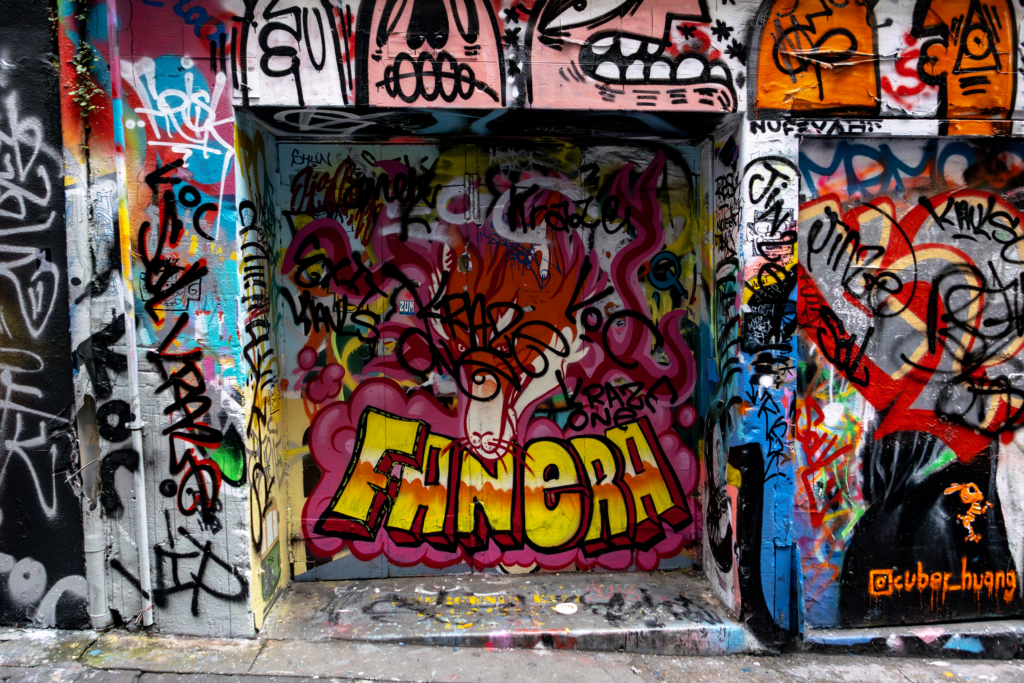
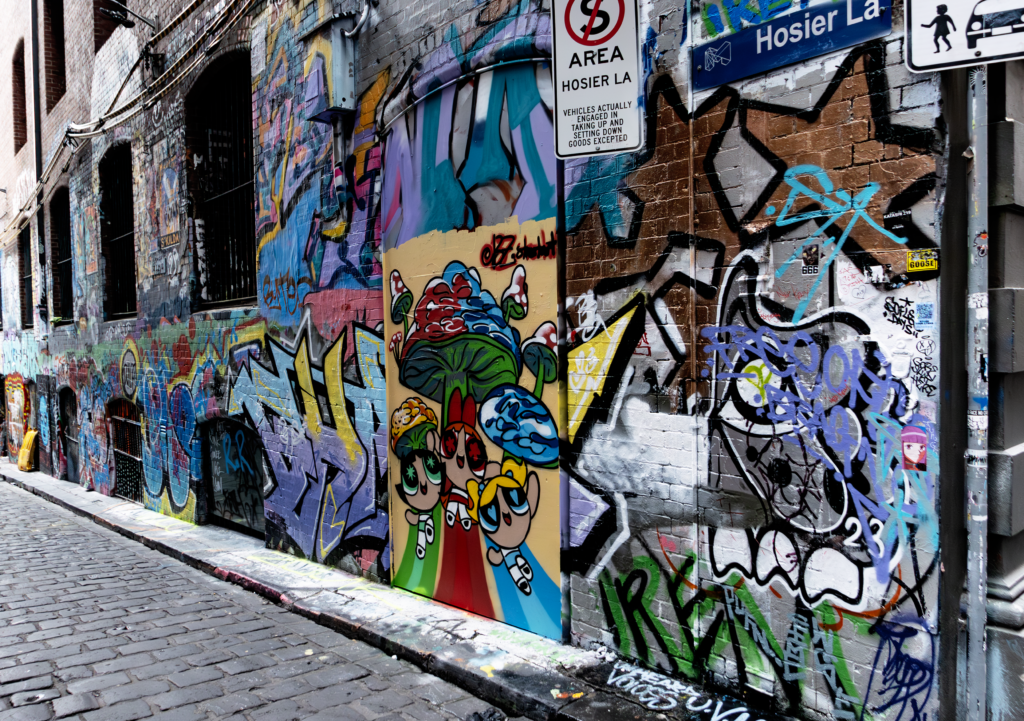
From Cairns, we traveled to Melbourne via Jetstar airlines, a city that oozed with urban creativity and culture. Melbourne’s street art was unlike anything we had seen, with graffiti-covered alleys transforming into open-air art galleries. Each mural told a story, and we spent hours wandering through Hosier Lane and beyond, taking in the bursts of color and creativity. When we weren’t immersed in art, we explored Melbourne’s well-groomed parks, perfect for running and reconnecting with nature amidst the bustling city. Also, if you find yourself in Melbourne, definately check out Easey’s Cafe for a cool experience.

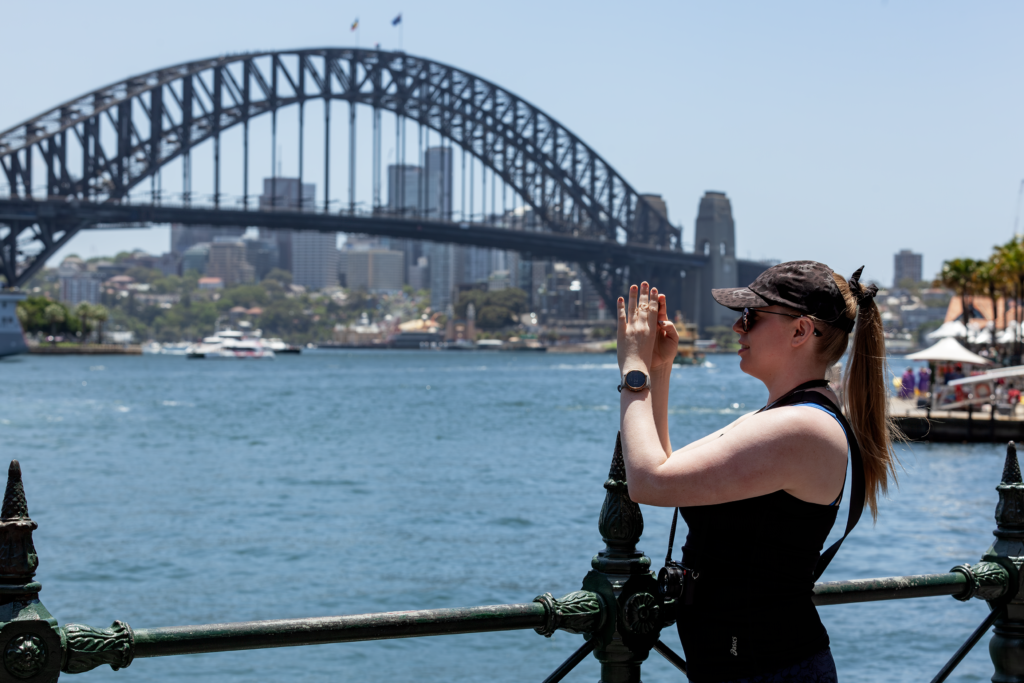
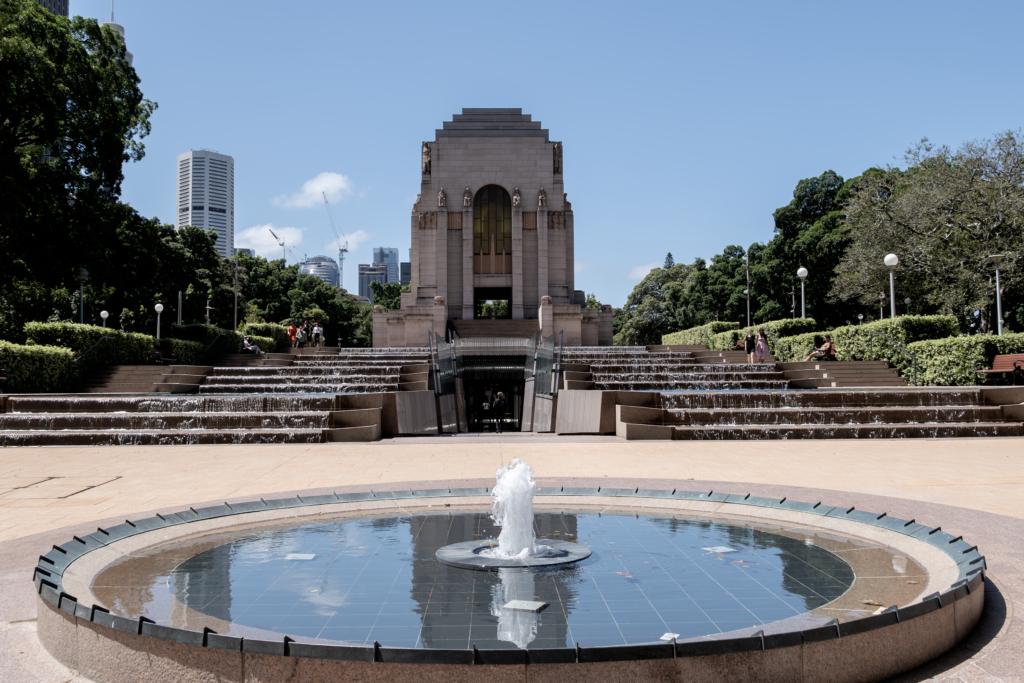
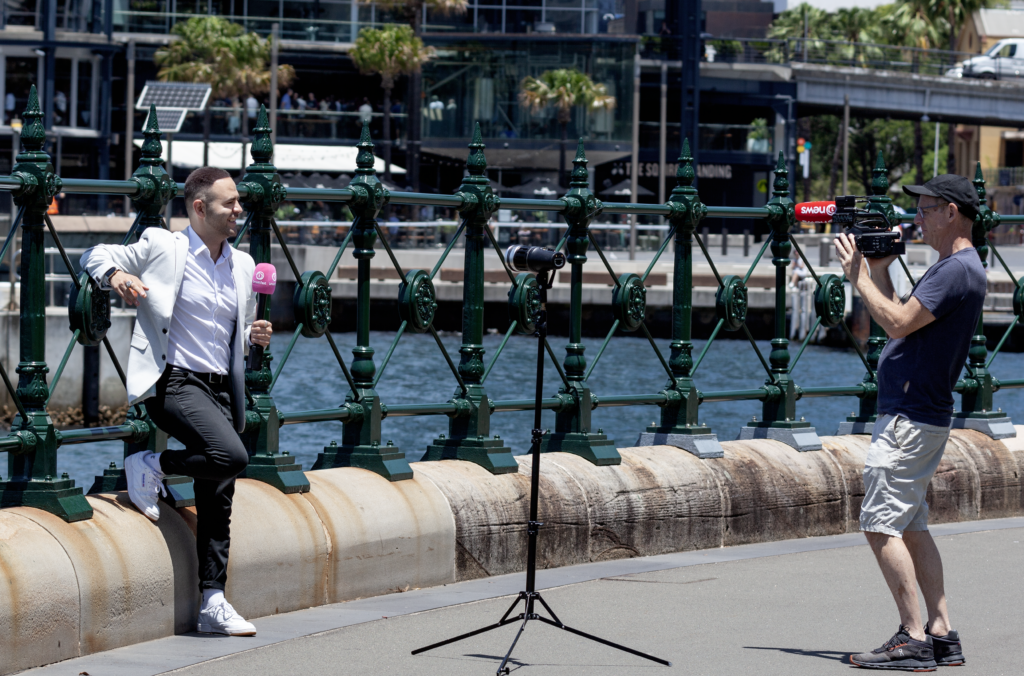
Our final stop was Sydney, and it completely stole my heart. I actually told Katie, if I had to move to a big city, Sydney would be it. Sydney felt like a true global city, full of energy, beauty, and iconic landmarks. Standing in front of the Sydney Opera House was surreal—its sails glistened under the sun, a sight I had dreamed of seeing for years. Exploring Circular Quay and the waterfront left us in awe of the city’s harmony between nature and modern architecture. It was easy to see why Sydney hosted the Olympics; it’s a city that radiates vibrancy, clean streets, and a world-class atmosphere.

From the stunning reefs and wildlife of Cairns to Melbourne’s artistic spirit and Sydney’s grandeur, this trip was filled with moments of wonder, adventure, and discovery. Australia truly offers something for everyone, whether it’s exploring the jungles, urban art, or wandering through historic cities. Each place had its own story to tell, and I’m so grateful we could experience it all.

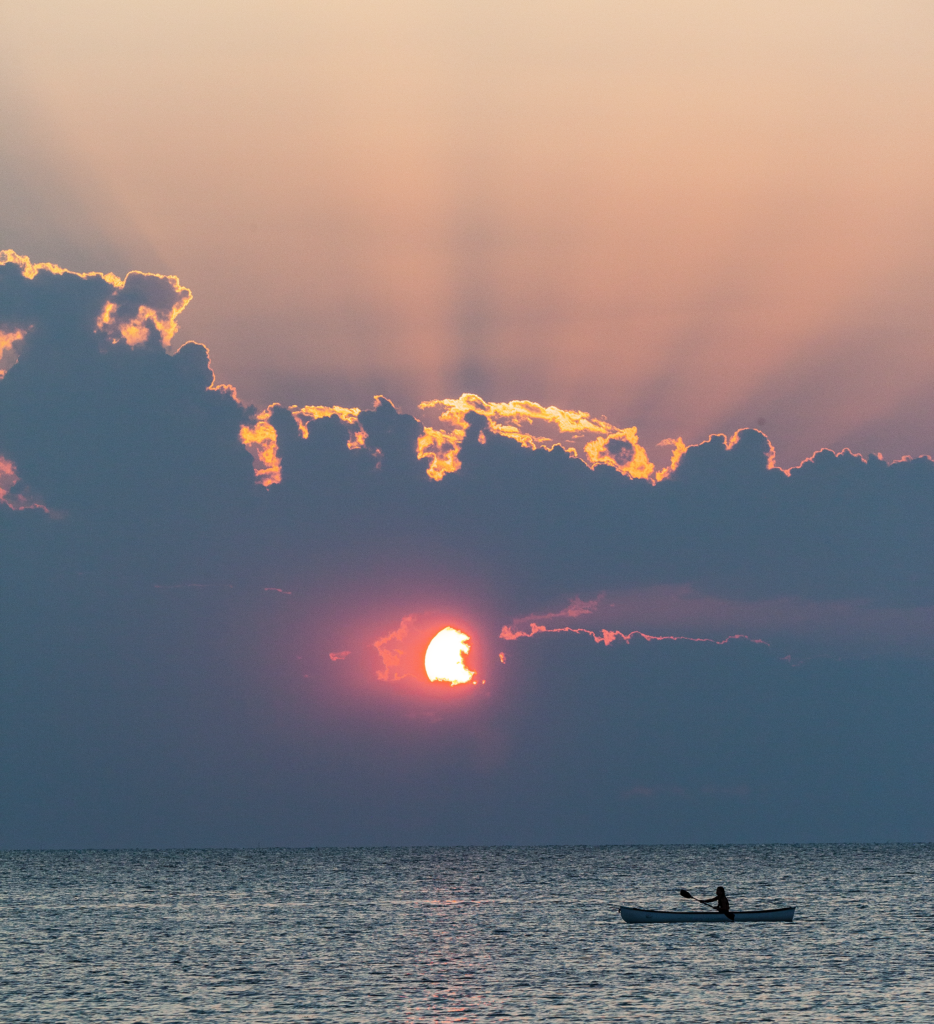
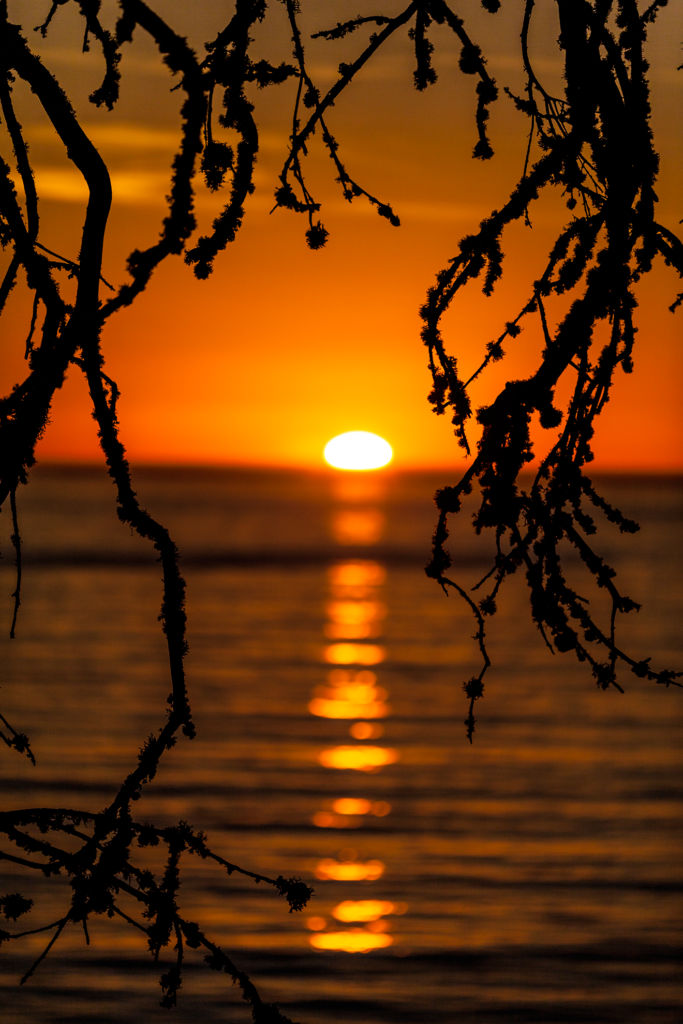
Spring Sunset

Earlier this week I received a new Canon 90D which is an exciting new addition to the arsenal and today I decided to slap it on the ol 500mm Orion EON spotting scope and take it out for a spin. It’s a crop sensor camera with a crop factor of 1.6x which will give me an effective focal length of 800mm. That will come in handy next month when I travel to Texas to experience the Great American Total Eclipse. The nerves are starting to ramp up as the big day nears, my biggest concern will be weather conditions, it would be an absolute travesty to be under a sea of cloud cover as this astronomical event unfolds. For now, more target practice and fine tuning.

Fall Sports in Santa Barbara: A Journey Through Triumphs and Failures

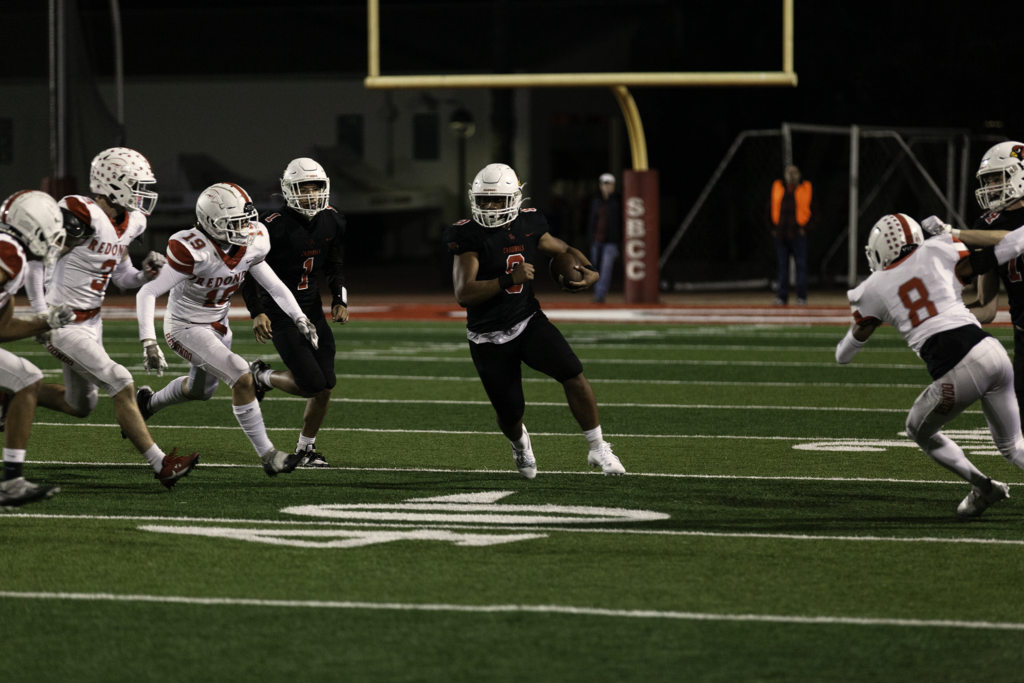
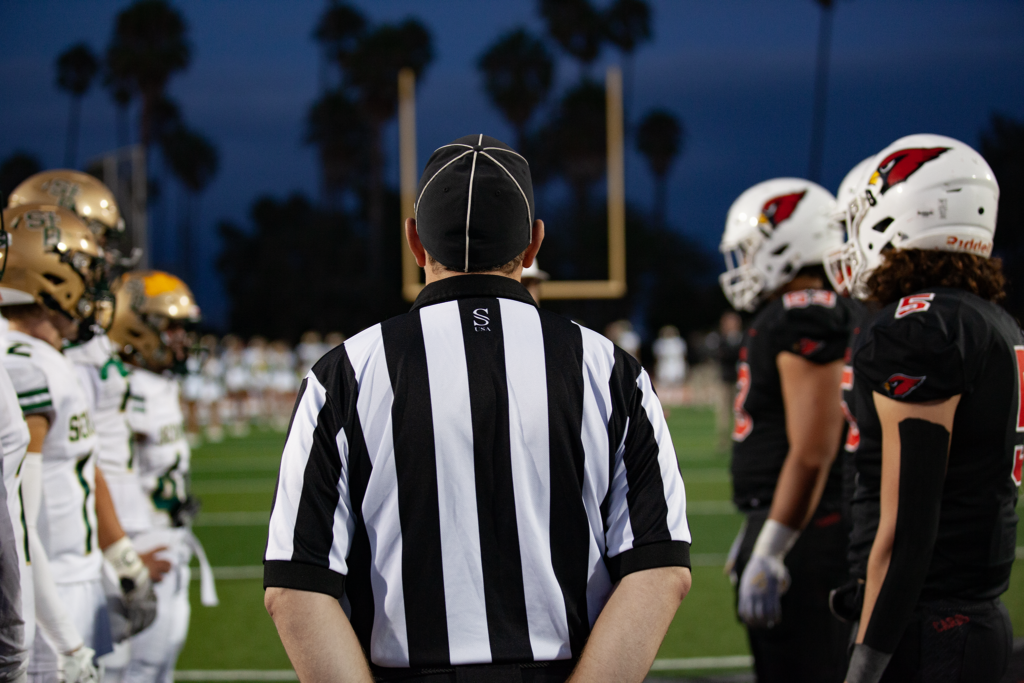
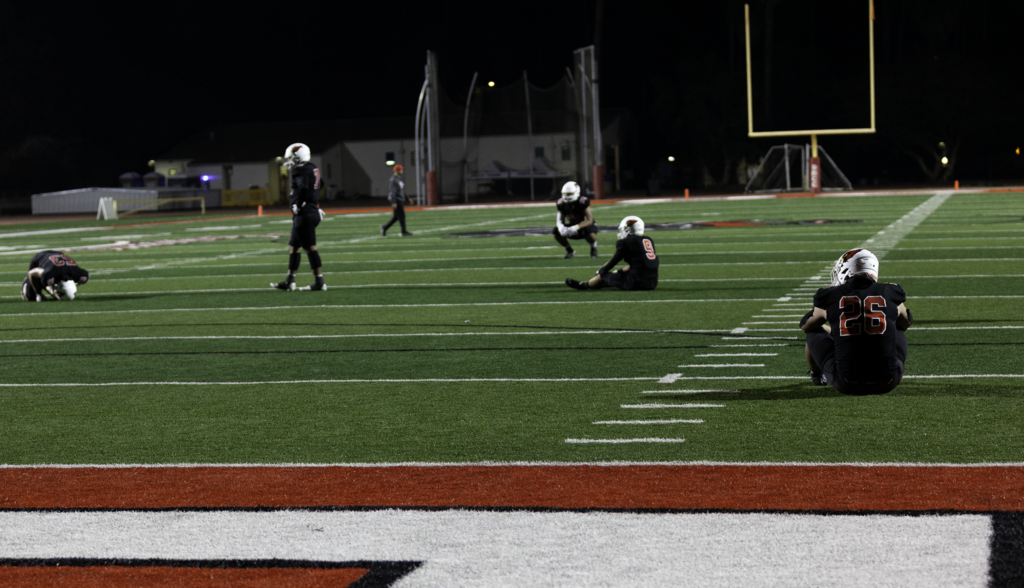
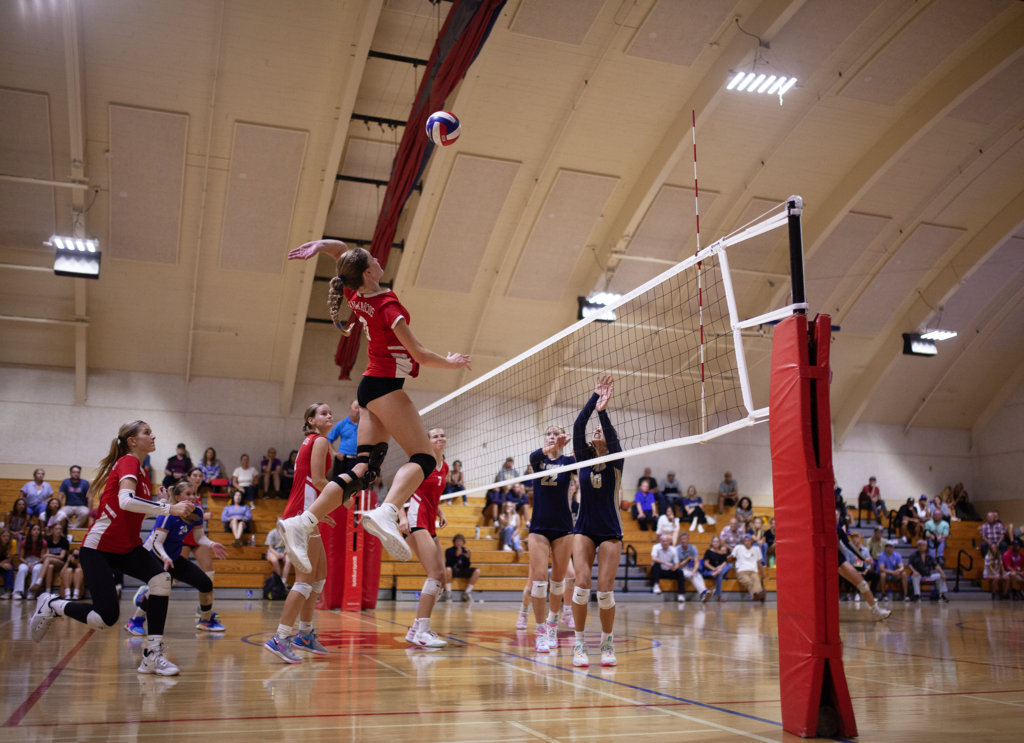
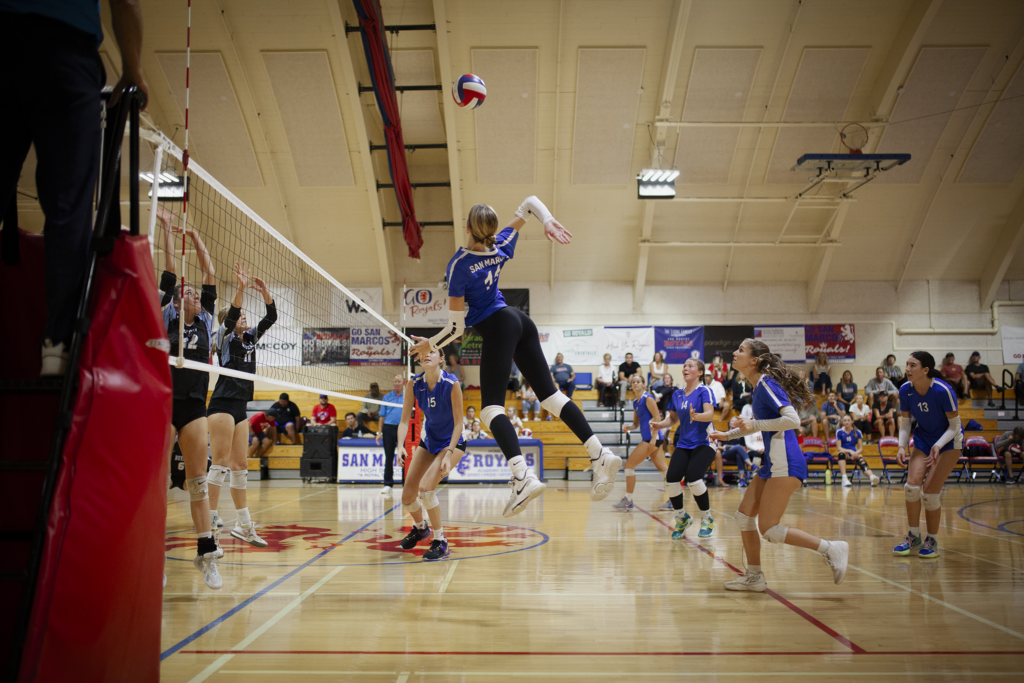
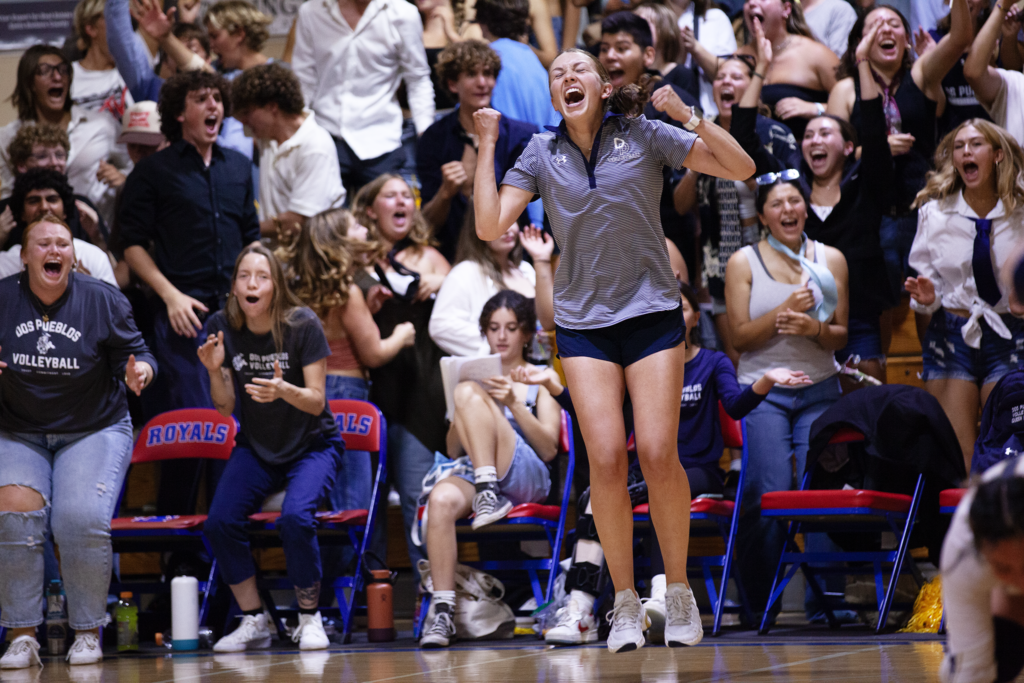
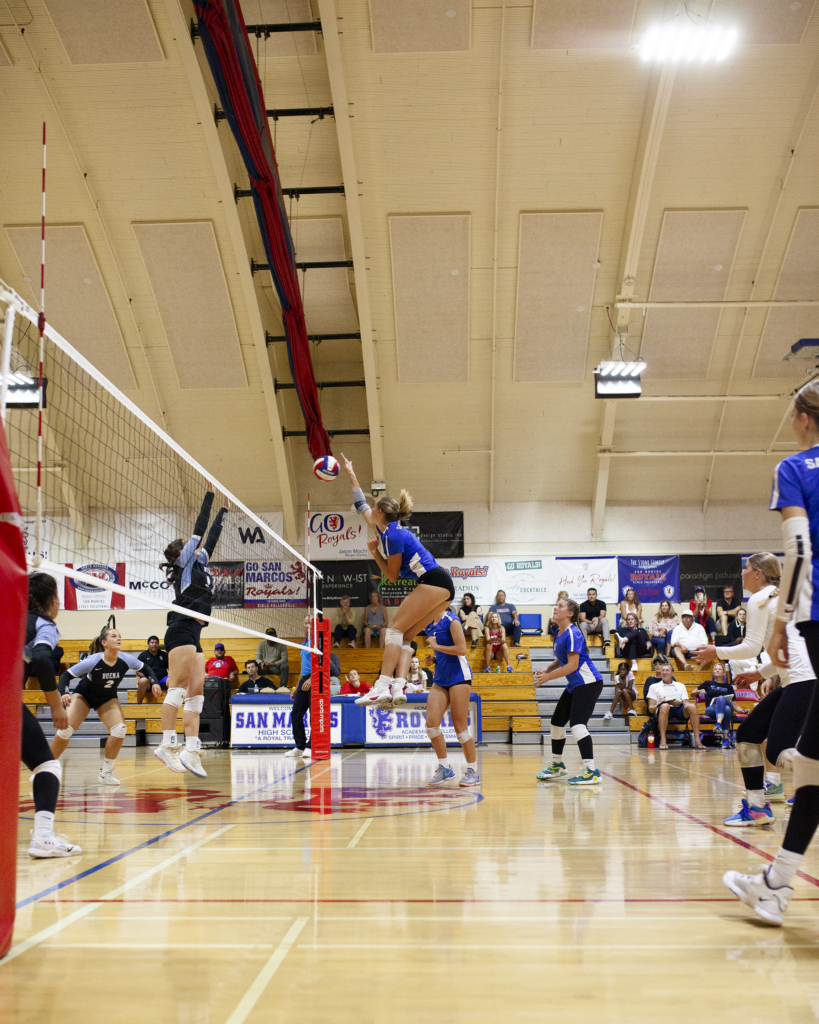
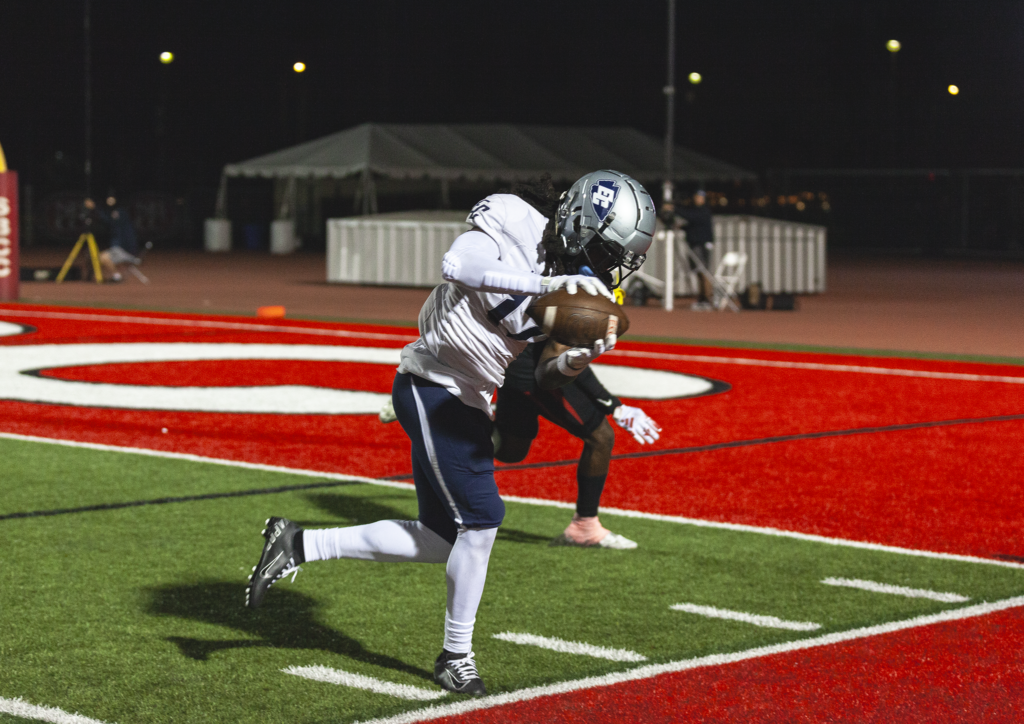
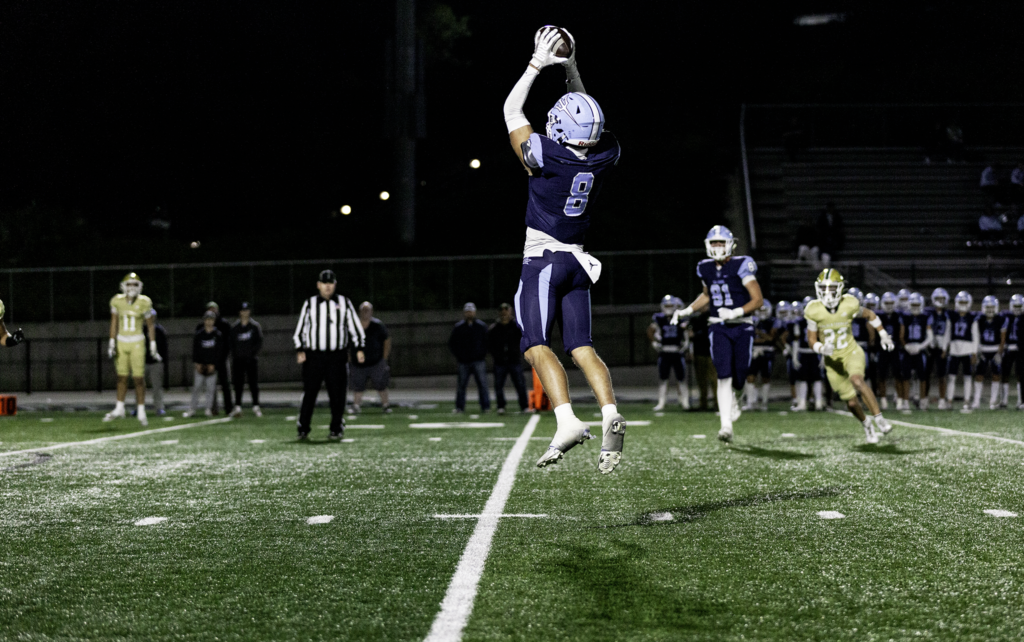
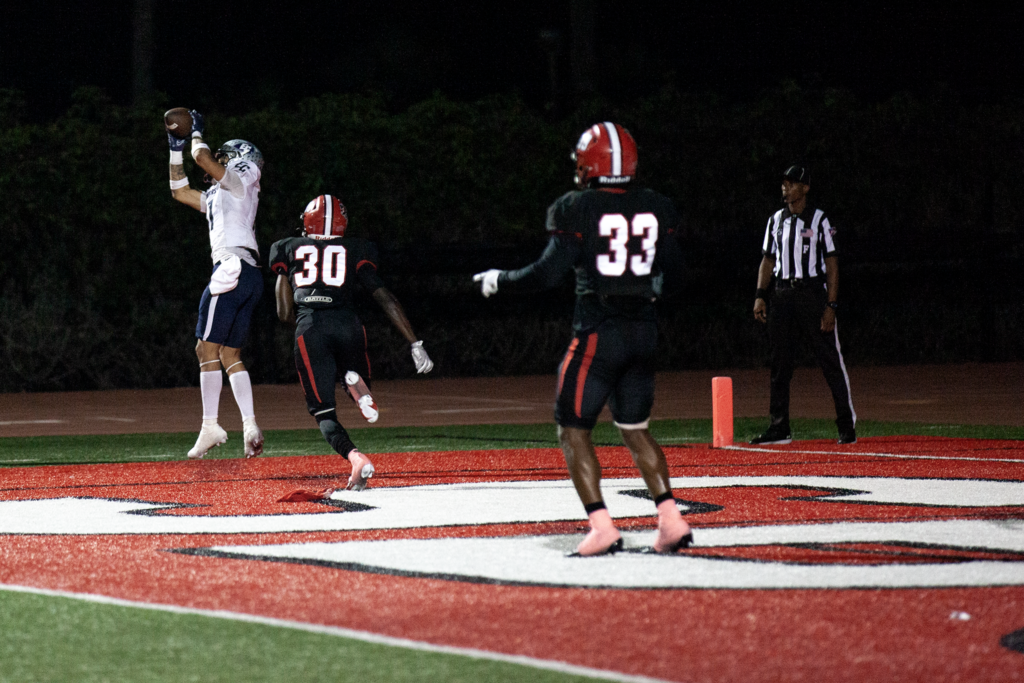
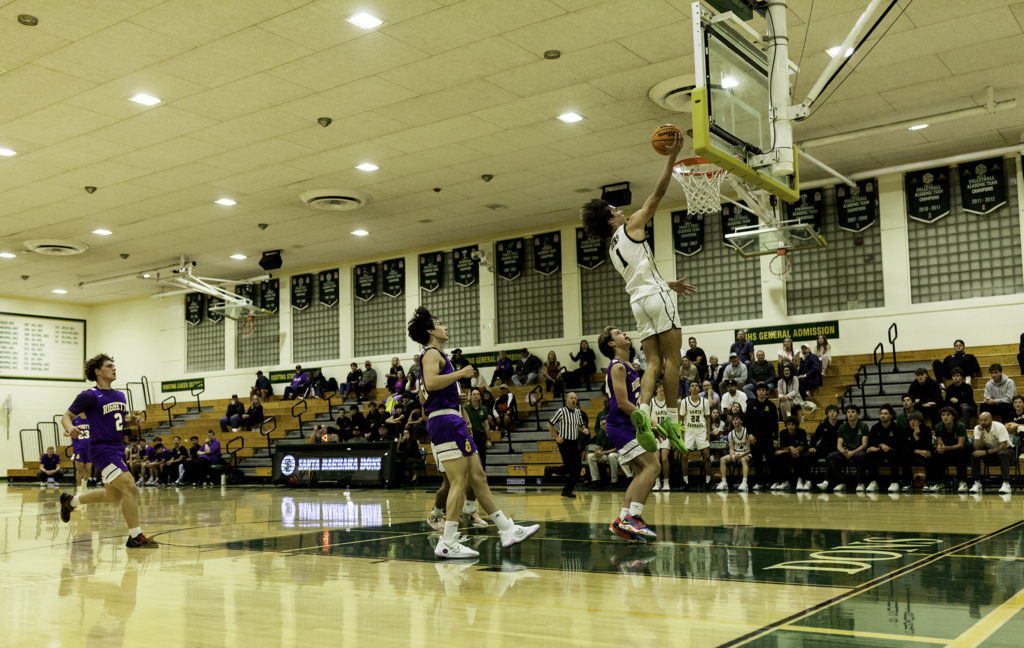
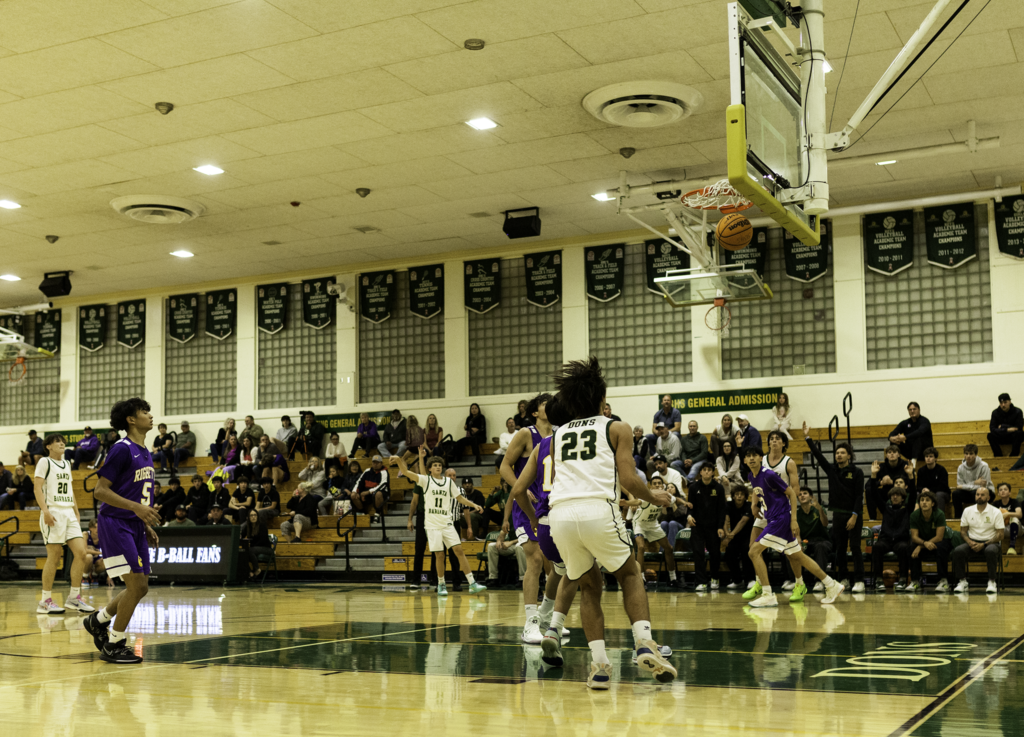
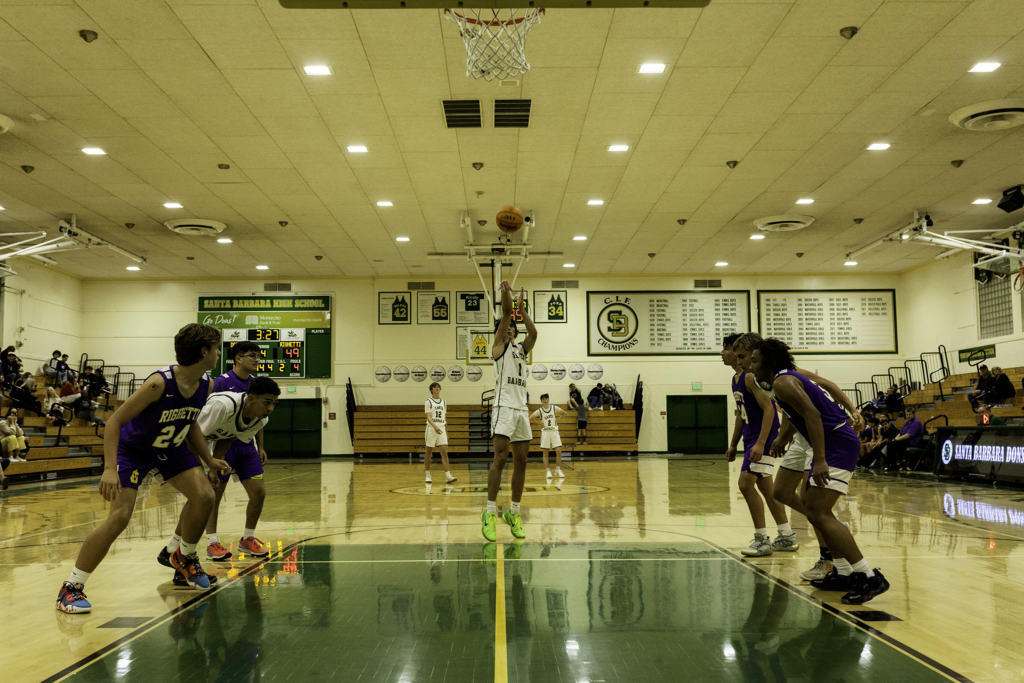
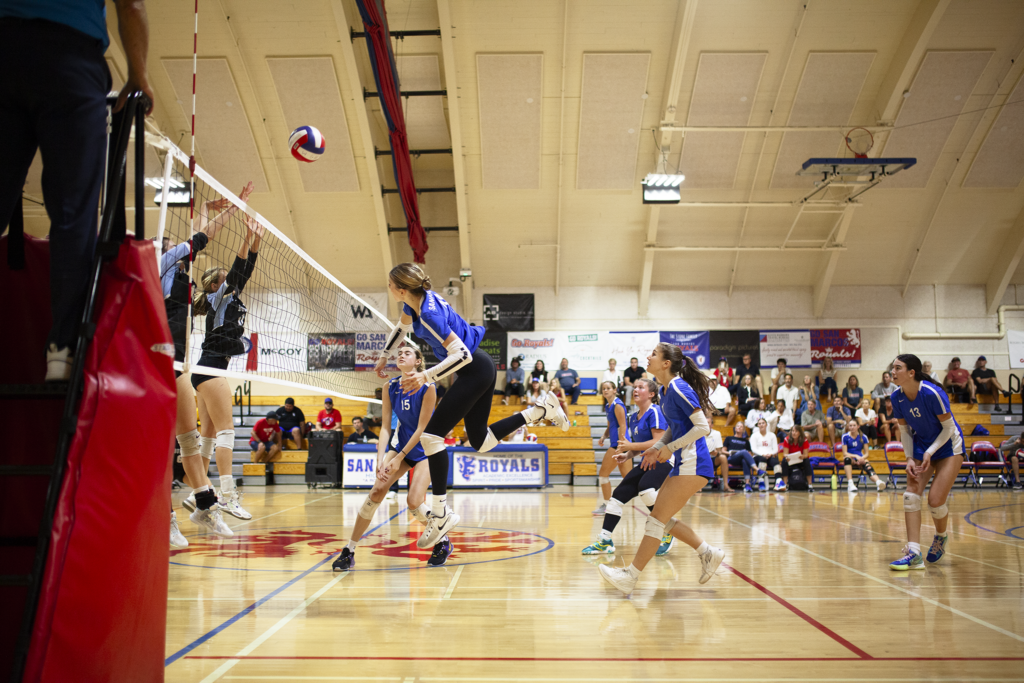
Sports photography is the perfect marriage of things I love dearly, athletics and imagery. Sports photography is a thrilling, exciting, and exhausting field that aims to capture the raw emotion and intensity of athletes competing at their very best. The excitement of being on the sidelines is palpable, stemming from the energy of the crowds and anticipation of the next big play all contribute to the atmosphere of pure unadulterated emotions. Serendipitously, I met a sports writer for the Santa Barbara Independent who was looking to add another photographer to the independent’s stable photographers. Admittedly, I was hesitant given my obligations to graduate school and work but I had always been interested in dabbling in sports photography. I have been learning a lot about low-light photograph, while I fantasized about upgrading my Canon 5D Mark II to a more modern camera body, it has taught me how to be resourceful under terrible lighting conditions. Perhaps 2024 will be the year to upgrade to a second camera, I have had the pleasure of working with talented photographers from other news organizations and have always envied newer camera bodies with AI-enabled autofocus. While not all photographs submitted make in the online stories, they all contribute to a story, a story created but student-athletes that felt increasingly nostalgic as the season progressed. I decided to share a few images that may have not made into print but that made an impression on me. After a short break, I am already looking forward to winter sports, which include basketball, soccer, and wrestling. Truth be told, I very much look forward to Track and Field in the Spring.

Central America 2023: A Blend of Adventure and Relaxation

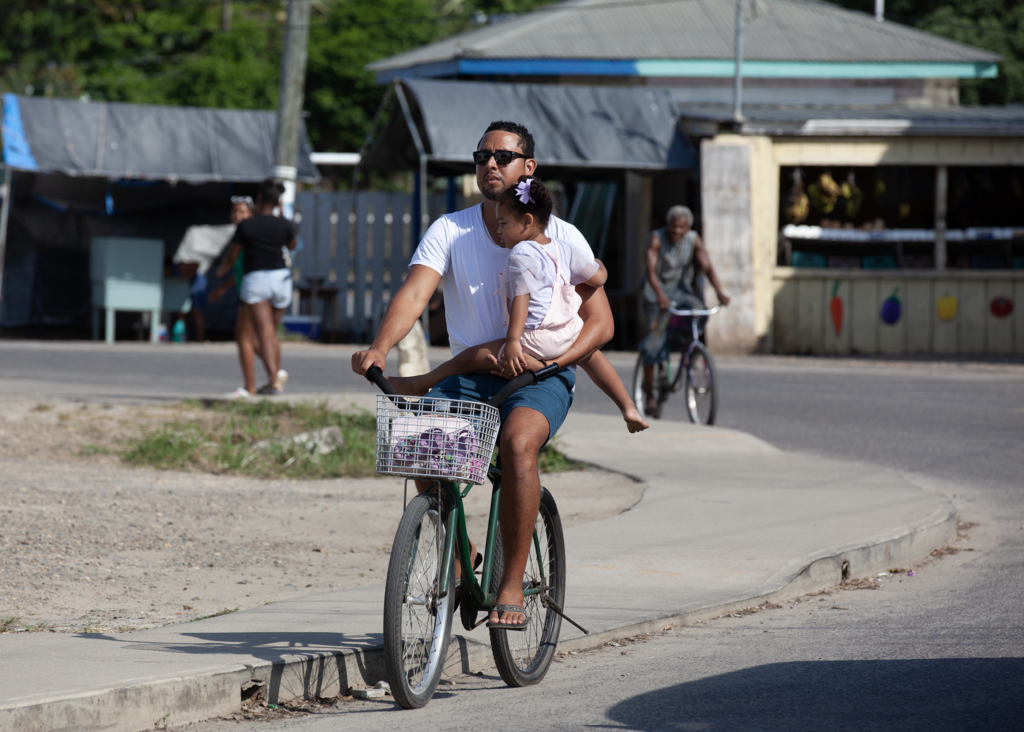
I recently returned from a trip to Central America, which included Belize and Guatemala. The two countries are very different, but they both offer something special for travelers and adventure-seekers alike. Belize is well-known for its beautiful beaches, lush jungles, and amazing snorkeling and diving, while Guatemala is home to ancient Mayan ruins, stunning volcanoes, and vibrant cultures.

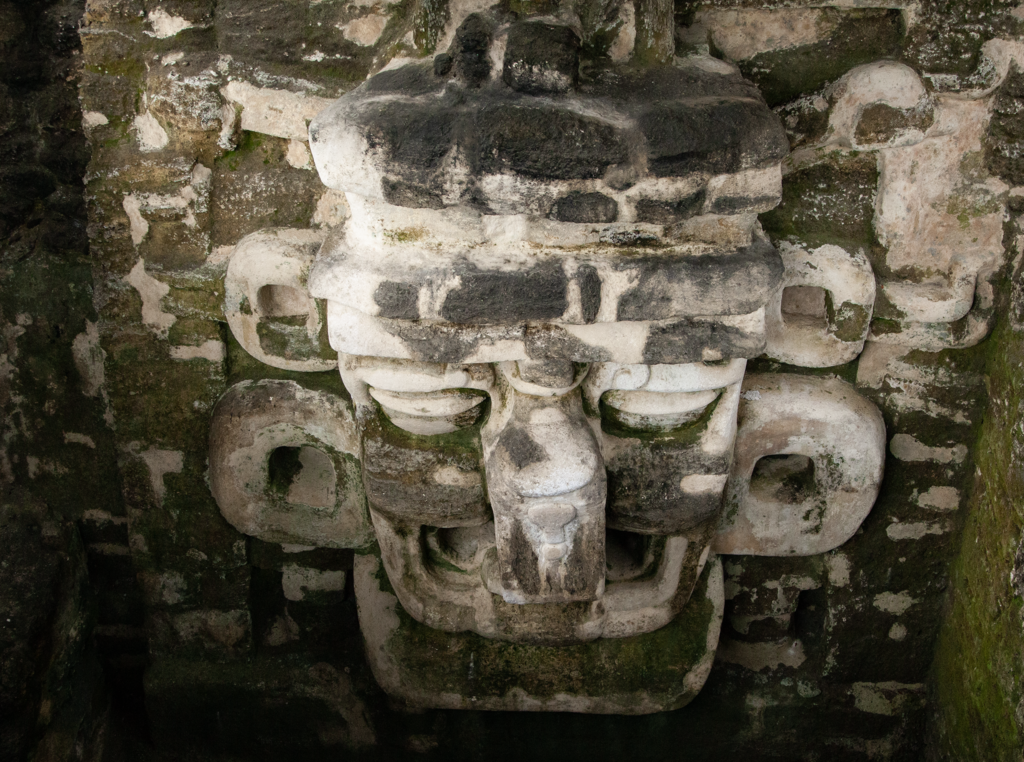
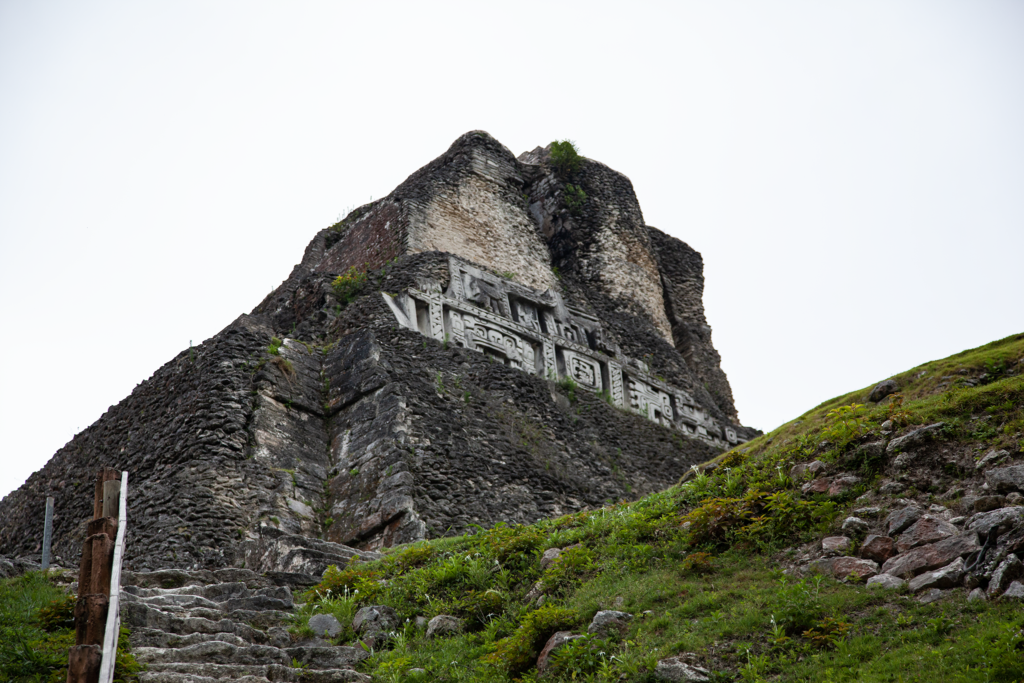
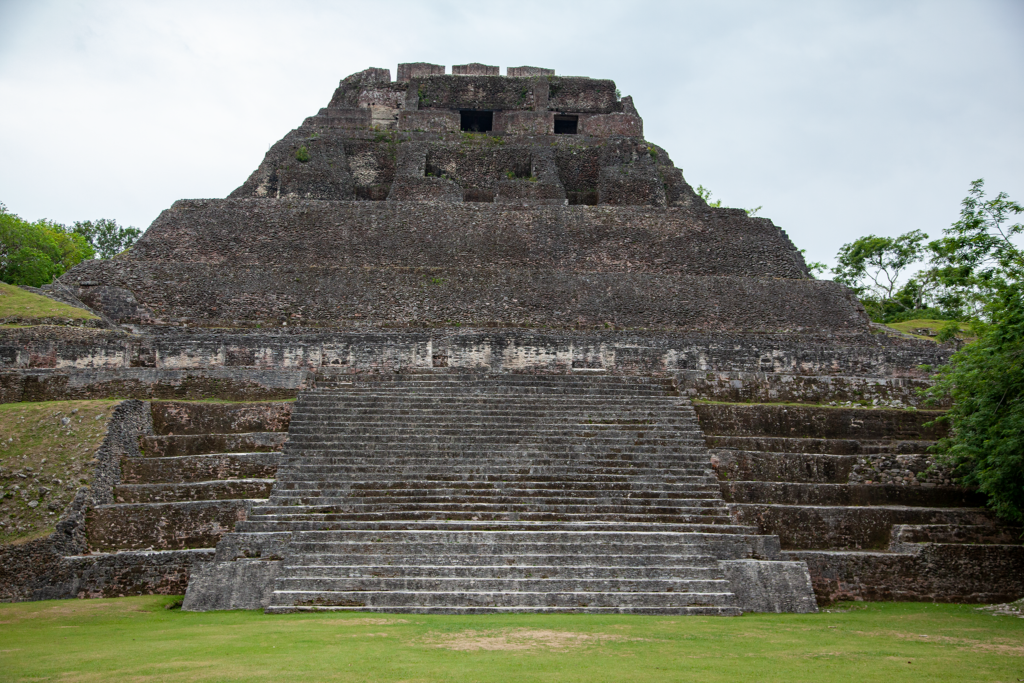
The trip started in Belize, with a few days of relaxation on the beach in Hopkins and Placencia under a blistering sun. While exploring Caye Caulker, I went on a two-day snorkeling tour of the expansive coral reef Marine Reserve and the Sting Ray Alley with the folks at Apache Tours. The ocean water was crystal clear, and the visibility and company were amazing on both days out on the water. There were all sorts of colorful tropical fish, including my favorite blue tangs, stingrays, and even a few nurse sharks. Among my favorite activities in Belize was exploring the rich Mayan history and culture, which included a day-long tour of the famed Actun Tunichil Muknal (ATM) cave, where Mayans made offerings to the gods of rain (Chaac) and fertility (Ixchel) and where they eventually began ritualistic ceremonies involving human sacrifices (No cameras were allowed; a previous tourist dropped a camera on an ancient skull, thanks jerk). Another great stop to explore Mayan ruins was Xunantunich, near the city of St. Ignacio. I was fascinated by the sheer scale and precision of many of these temples that once overlooked a thriving and expansive empire.

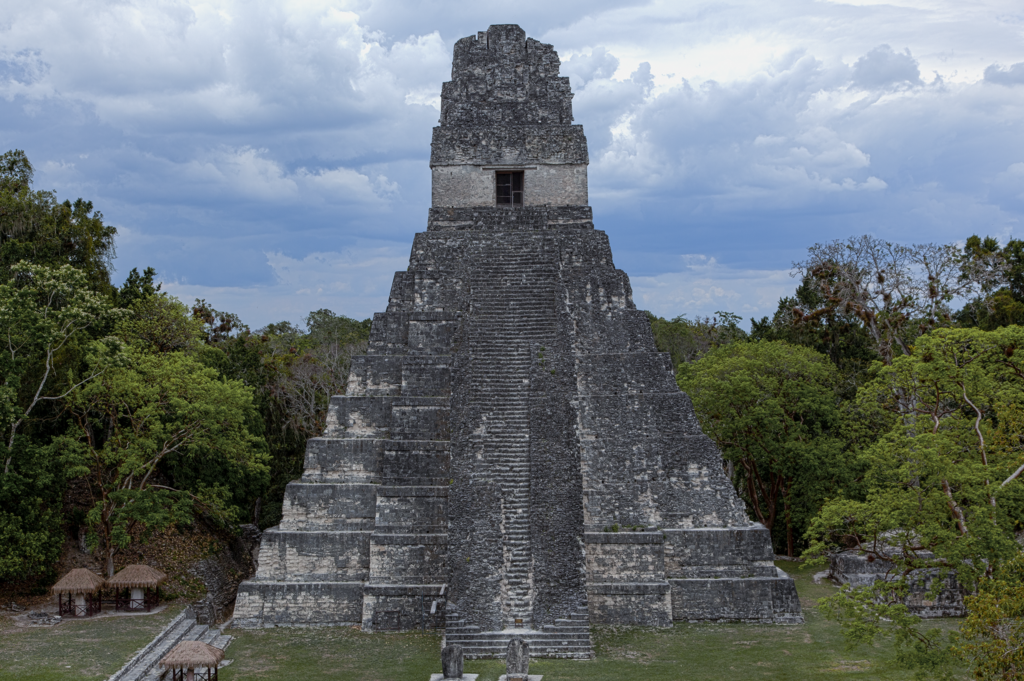
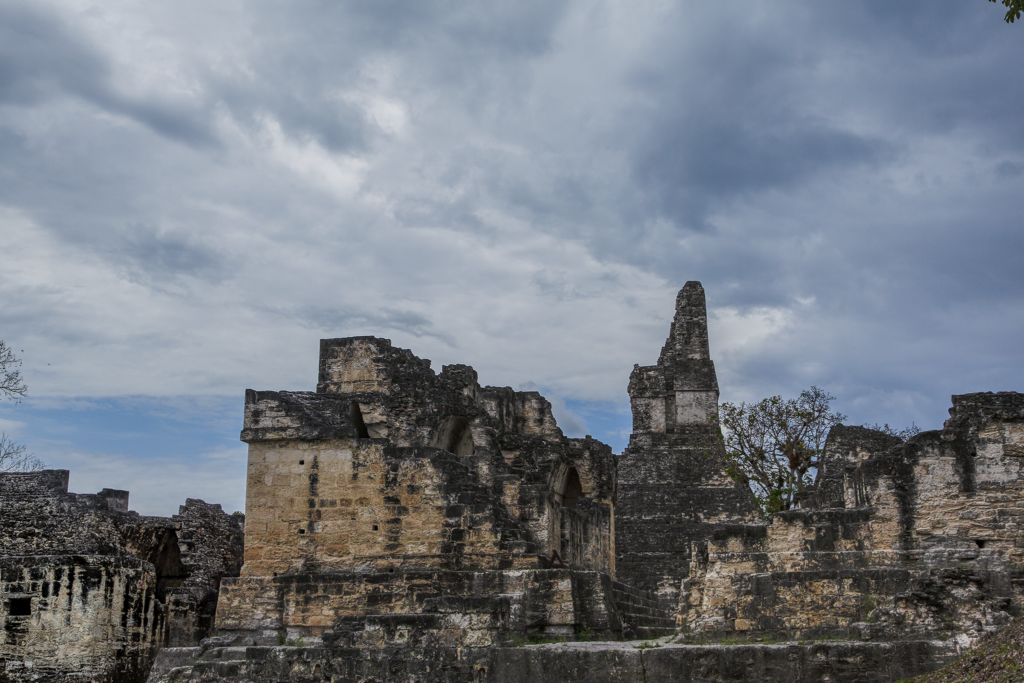
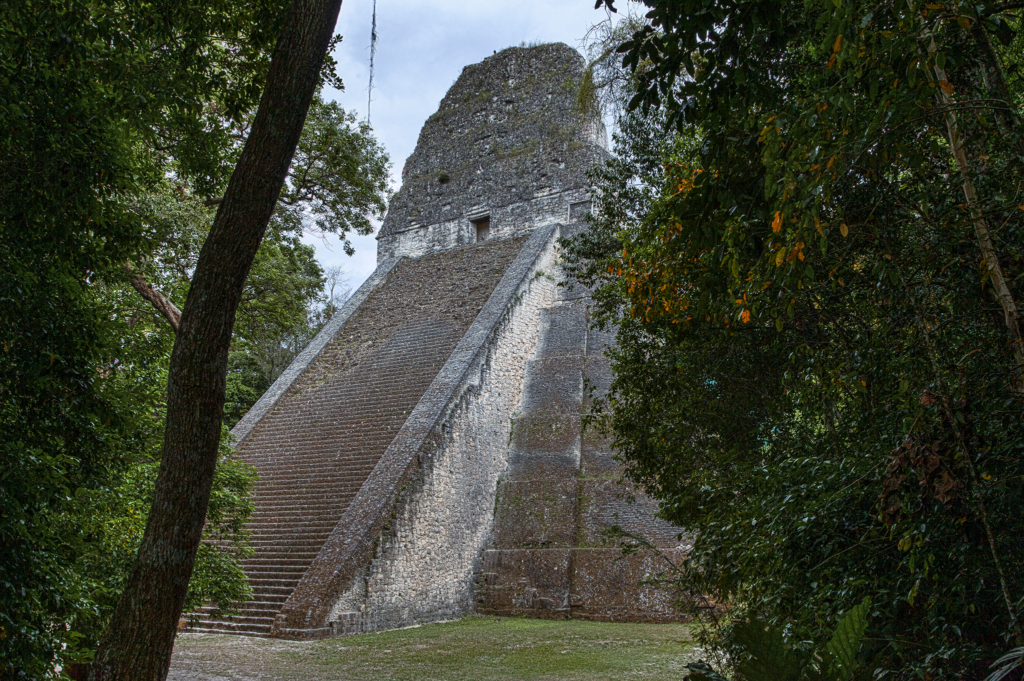
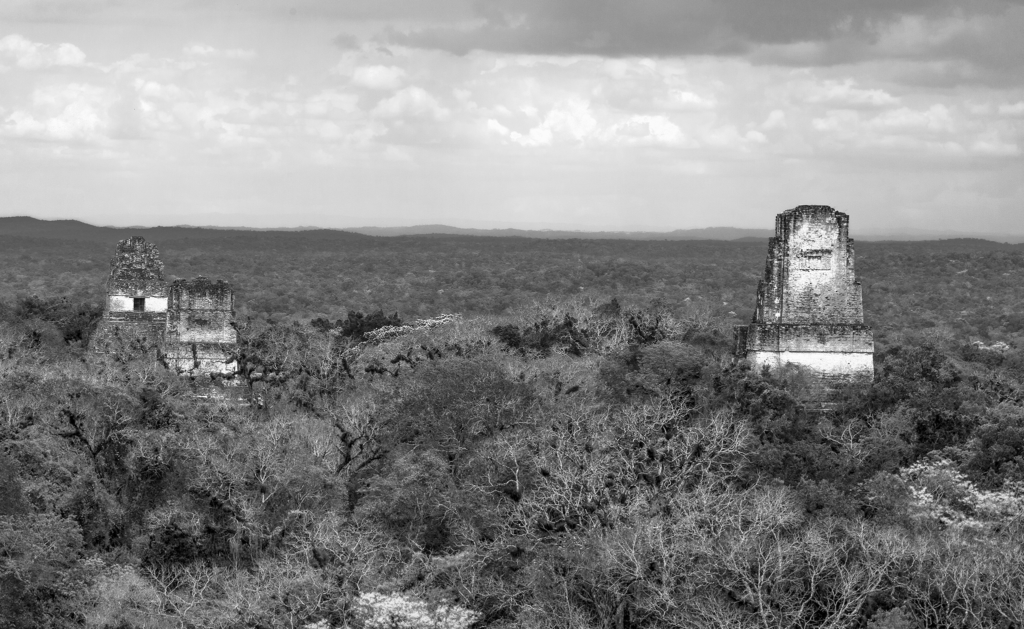
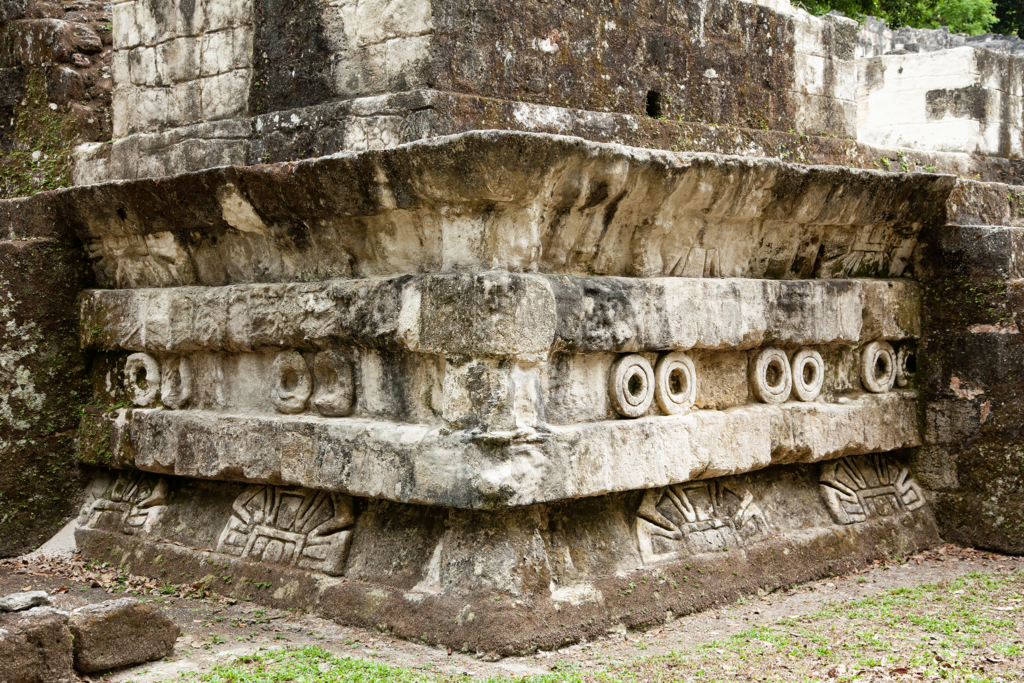
I was also fortunate enough to spend time exploring the ancient Mayan city of Tikal in Guatemala. Hiking to the top of the temples (The Great Jaguar Temple & Temple of the Gods), exploring the ruins, and learning about the Mayan culture. It was an amazing experience from start to finish.

I had an incredible time in Central America and definitely recommend visiting if you’re looking for an adventure-filled vacation.

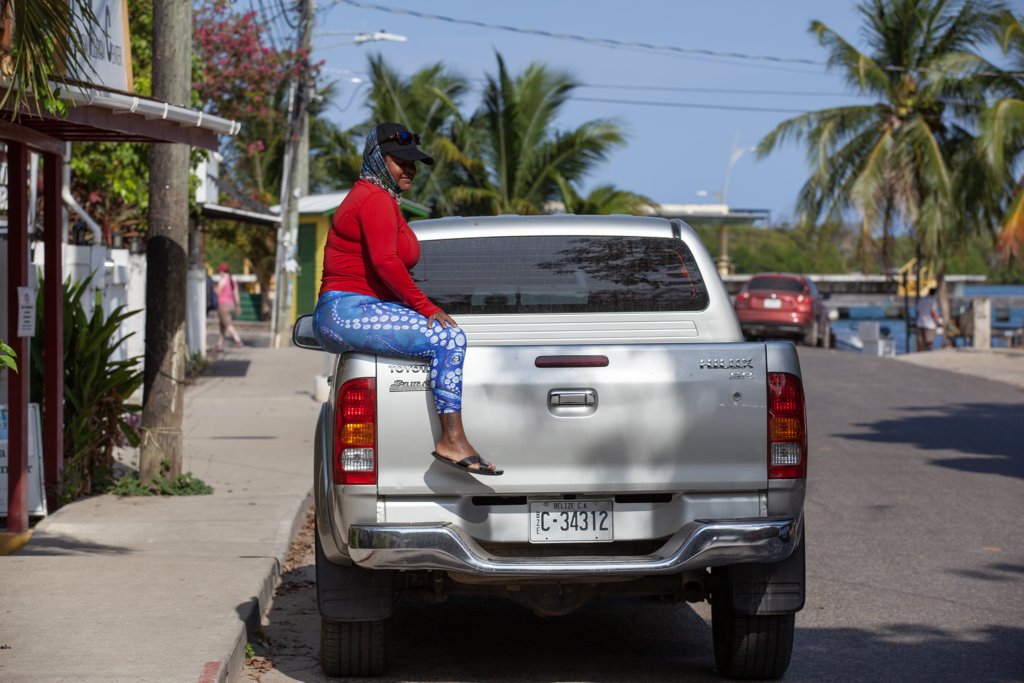
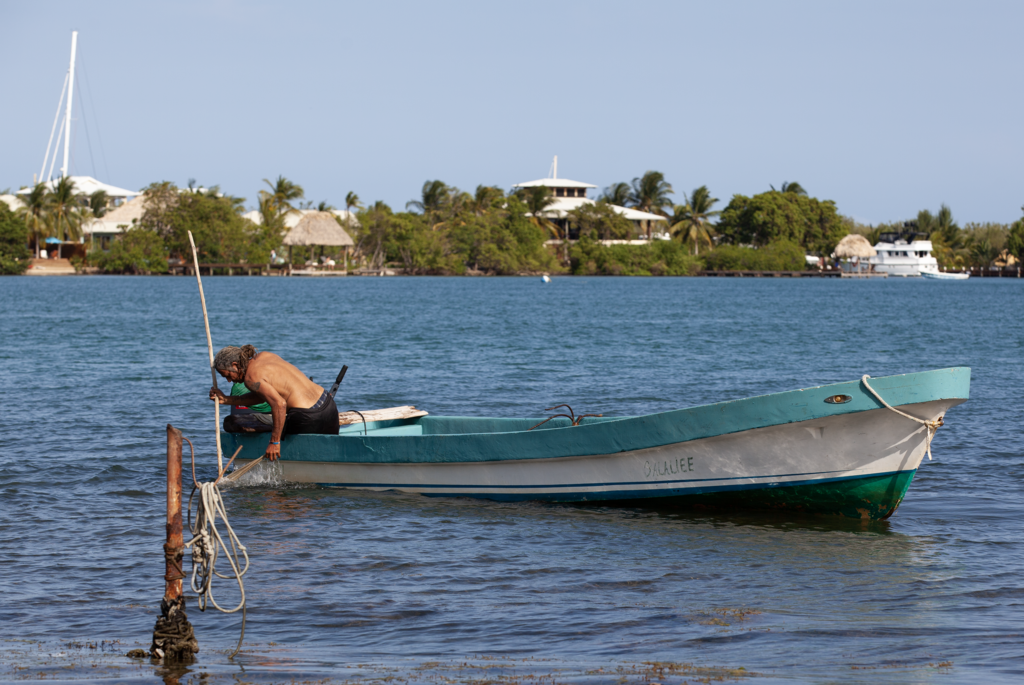
Here are just a few scenes from a much-needed and memorable trip:

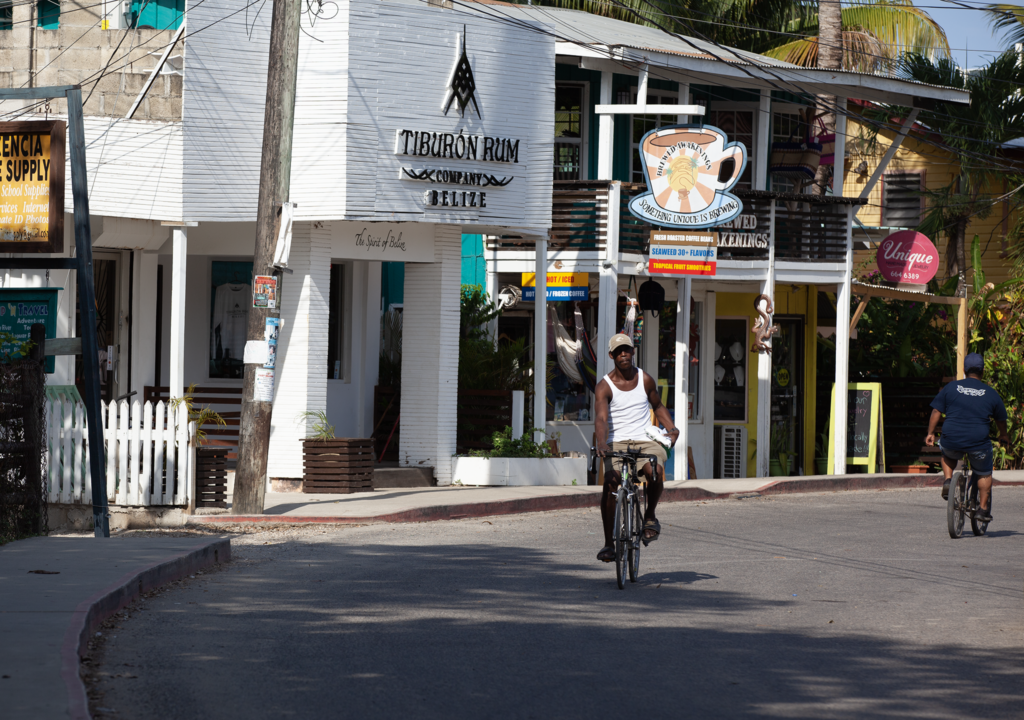
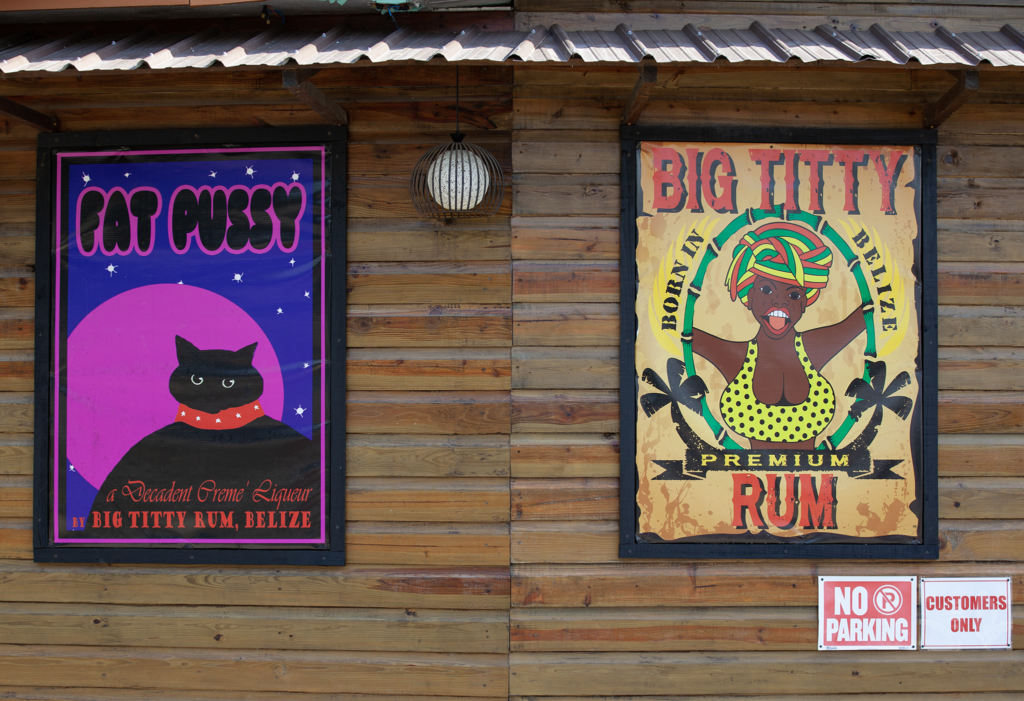
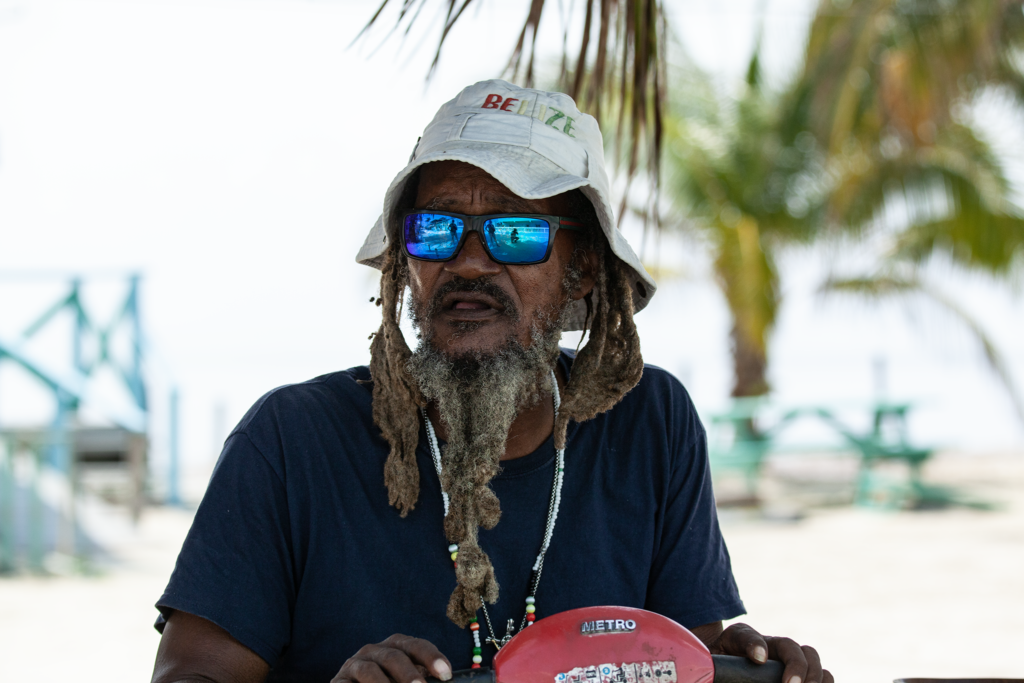
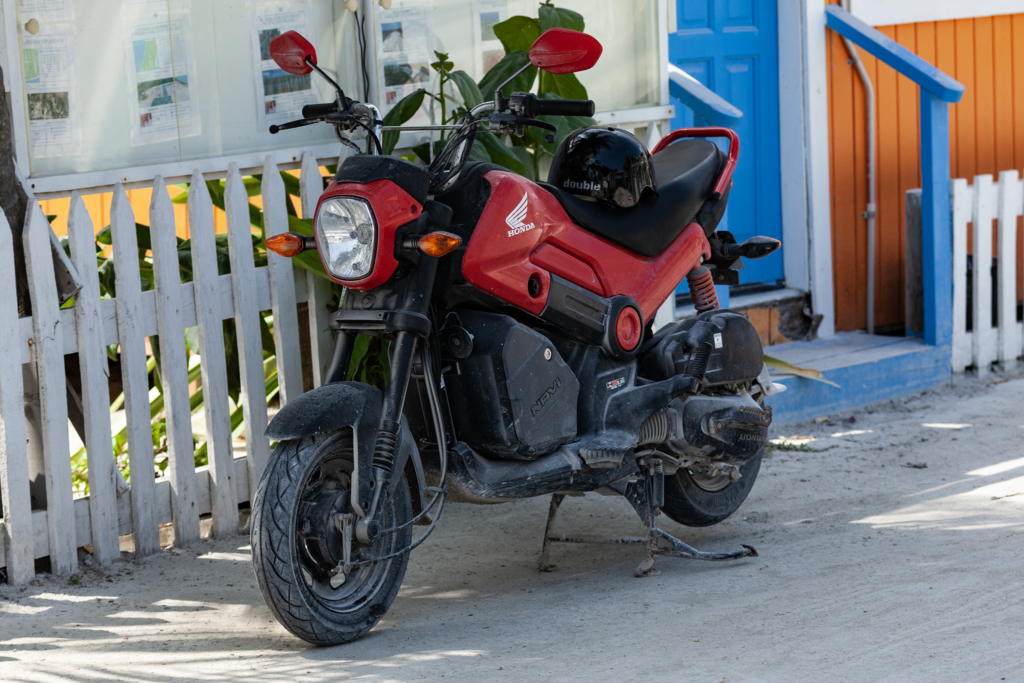
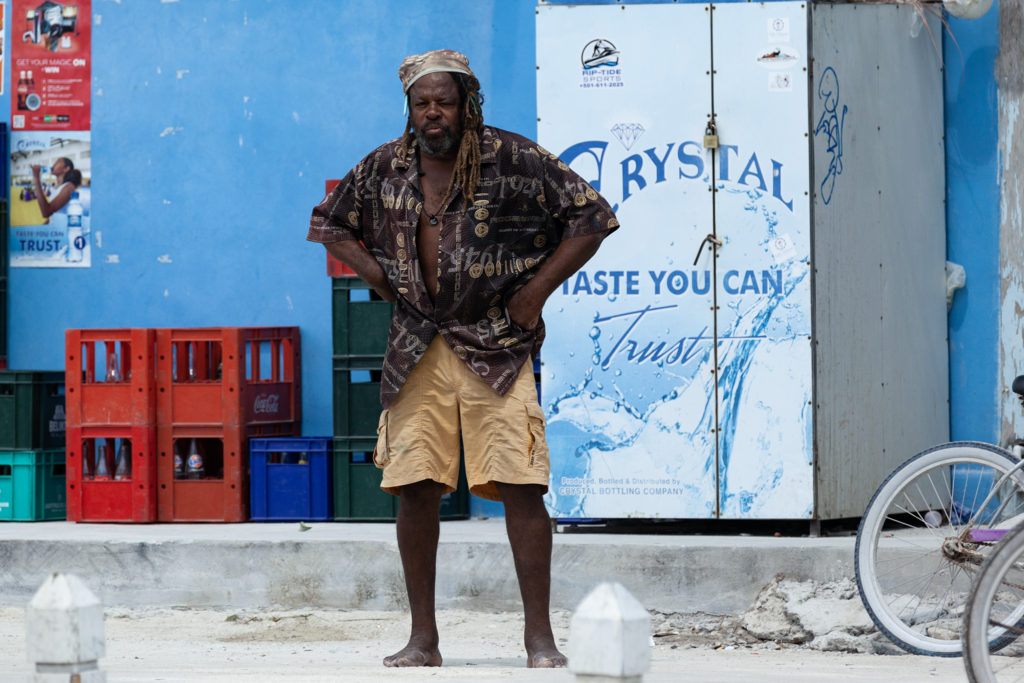
Interesting marketing strategies.

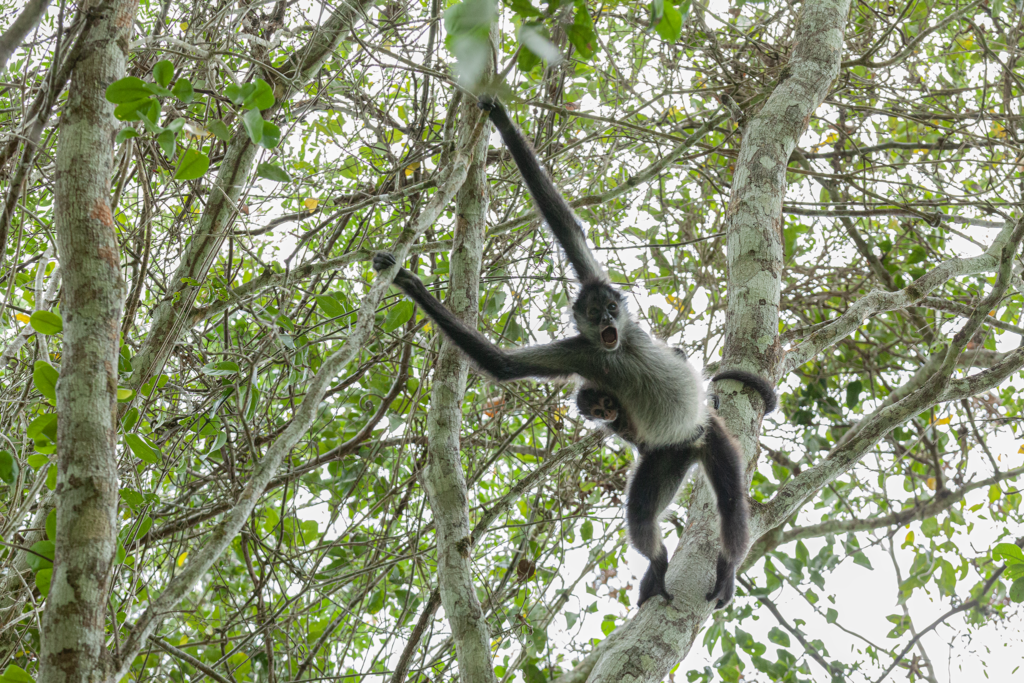
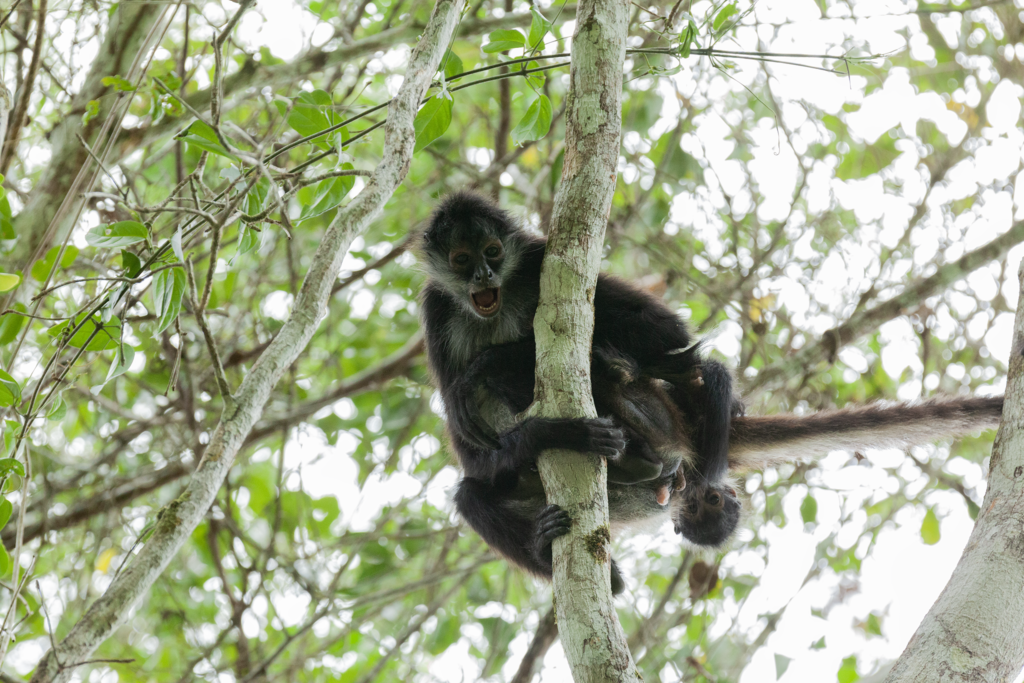
A very angry Spider Monkey as we entered Tikal National Park.

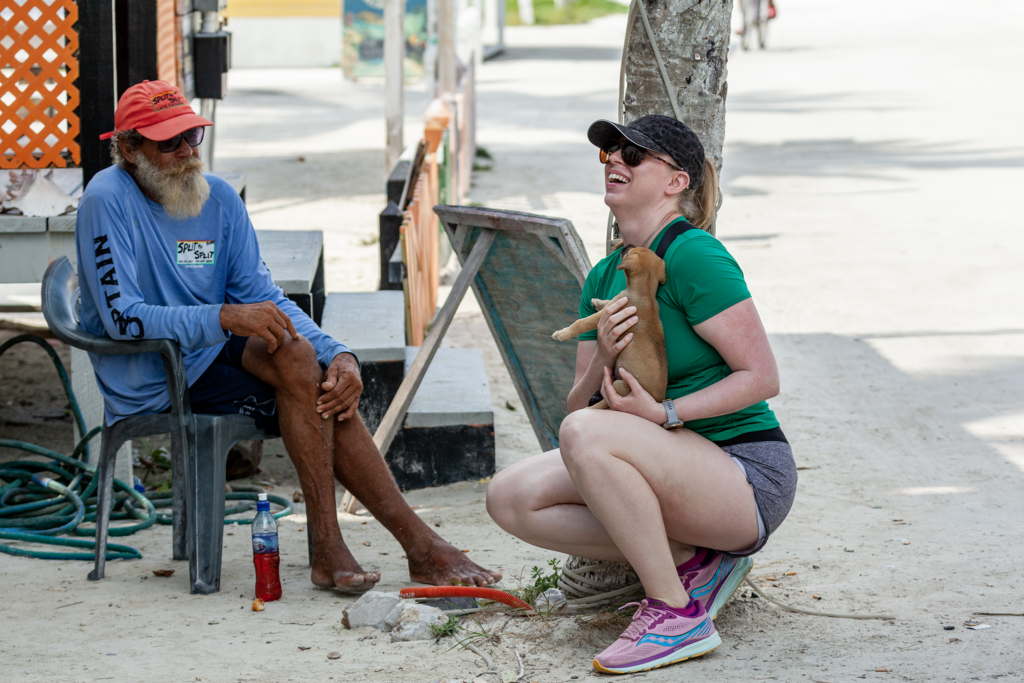
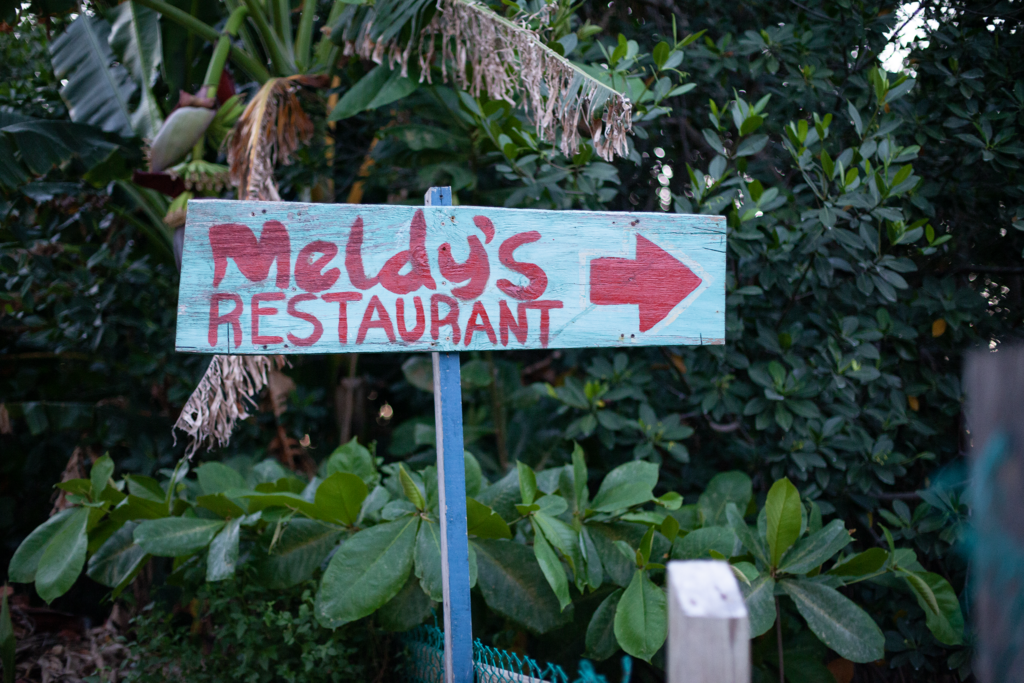
A hidden local gem for authentic Belizian food on Caye Caulker.

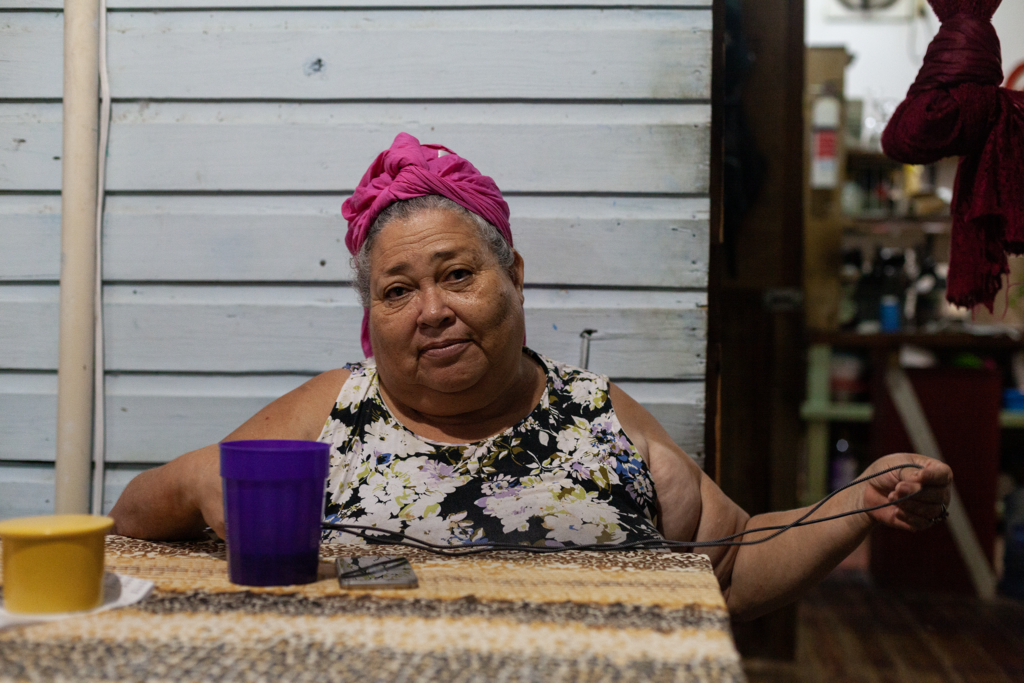
Ms. Meldy serves the best food on the Island of Caye Caulker. Hands down.

The Great Jaguar Temple.

Temple of the Gods.

Xunantunich. The humidity here was bananas.

Delta IV Heavy Launch — NROL82

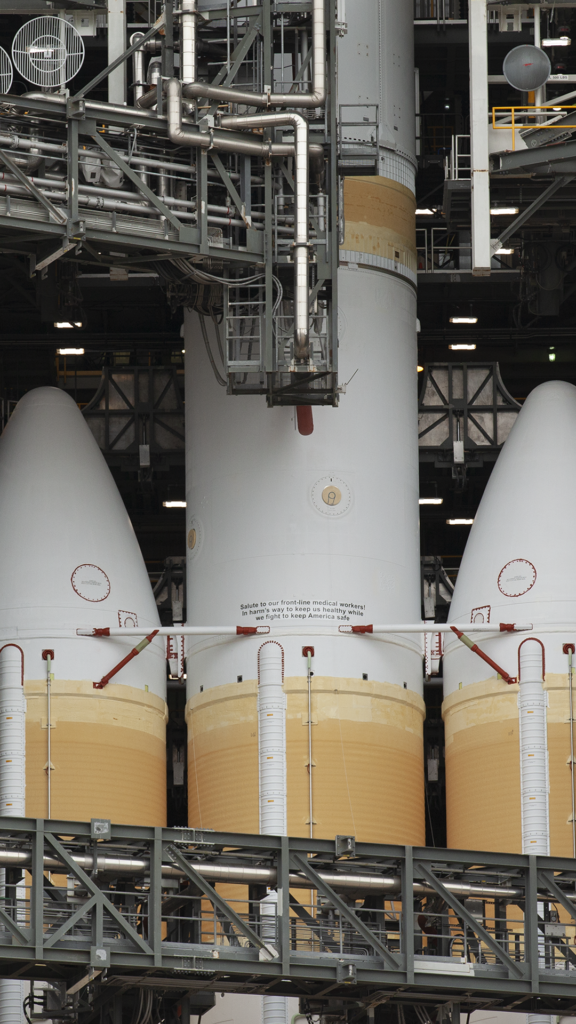
“Salute to our front-line medical workers! In harm’s way to keep us healthy while we fight to keep America safe.”

Fifty miles northwest of Santa Barbara lies Vandenberg Air Force Base (VAFB), home of the 30th Space Wing.  The 30th Space Wing is charged with performing space launches for both civilian and government entities. Of interest, the 30th Space Wing is soon to be retired (in name only) as it becomes converted/incorporated by the United States Space Force.  One such government agency is the National Reconnaissance Office (NRO), headquartered in Chantilly, Virginia.  The NRO, whose motto is, “Supra Et Ultra” (Above and Beyond) is the intelligence agency charged with designing, building, and operating spy satellites for the United States intelligence community including the Central Intelligence Agency (CIA), providing signals intelligence for the National Security Agency (NSA), imagery intelligence for the National Geospatial-Intelligence Agency (NGA) and measurement and signature intelligence to the Defense Intelligence Agency (DIA).  The NRO has a classified budget, however, it is widely speculated that the NRO budget is sustainably larger than any other intelligence agency.  When the United States needs eyes and ears in critical places where no human can reach, either over the most rugged terrain or through the most hostile territory the United States intelligence community relies on the NRO.  The NRO uses a variety of satellites to meet specific mission requirements, from small satellites, to more traditional, lager satellites.  It’s safe to say that the NRO maintains global coverage against a wide range of intelligence requirements, research, development, as well as the capability in assisting in emergency and disaster relief efforts. 

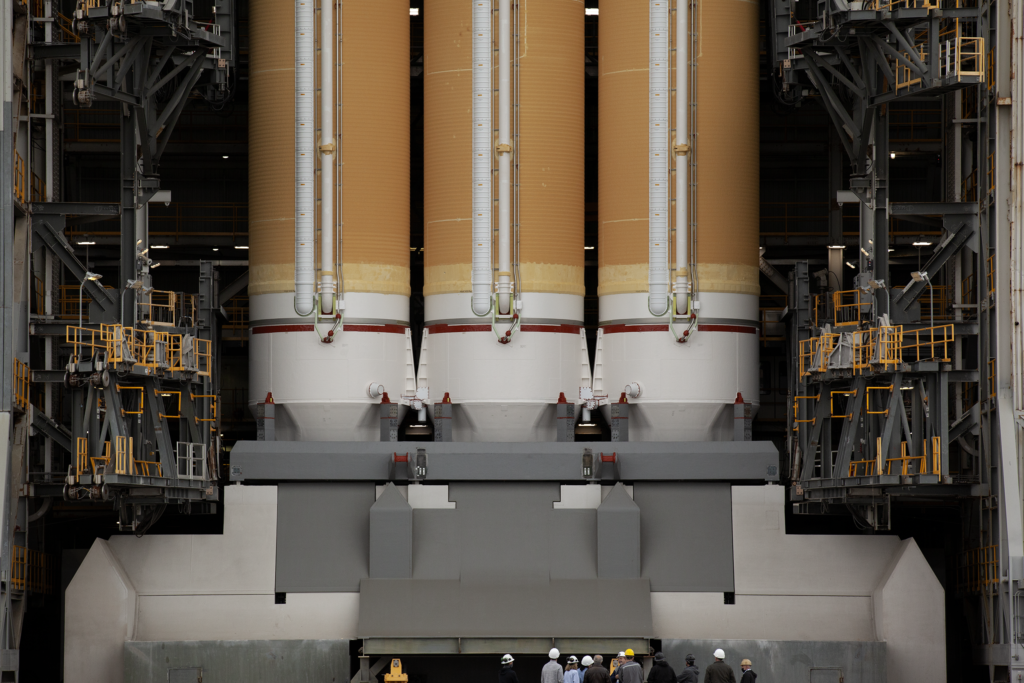
United States Department of Defense officials along with other members of the launch team during final vehicle inspection.

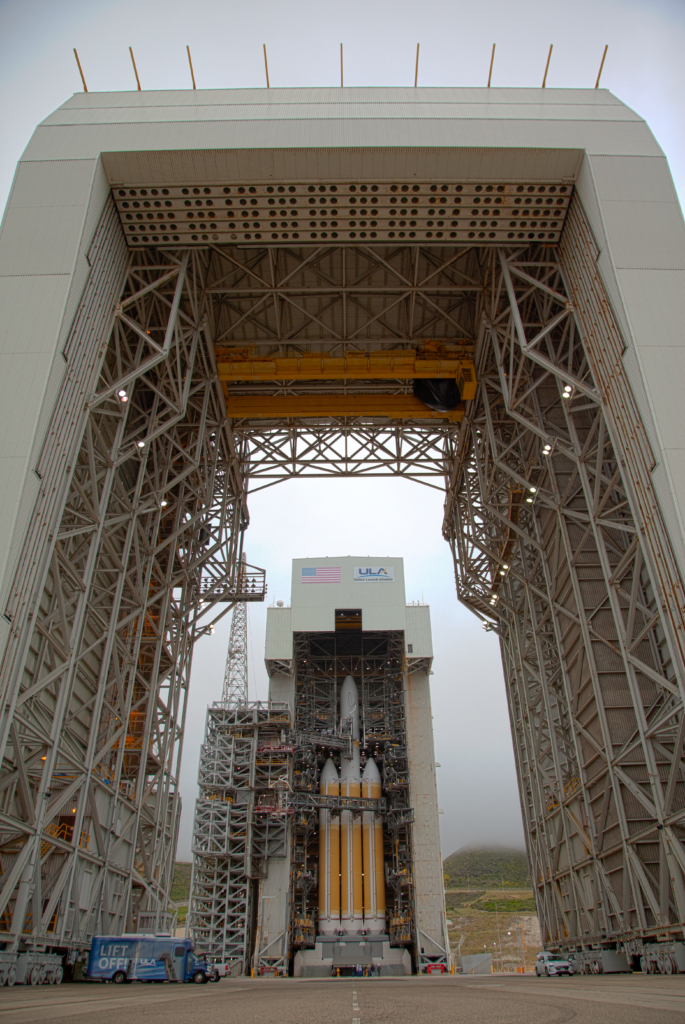
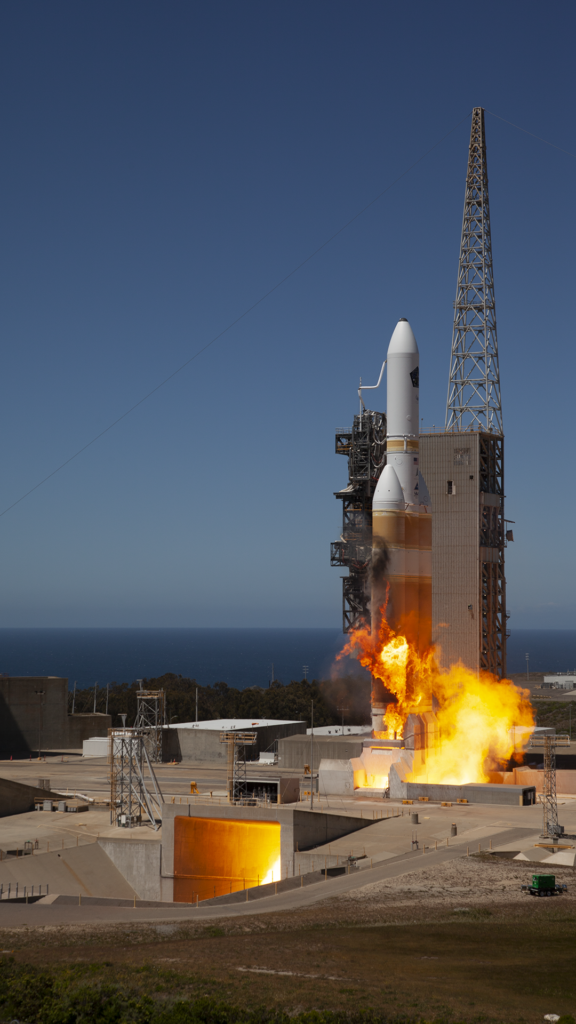
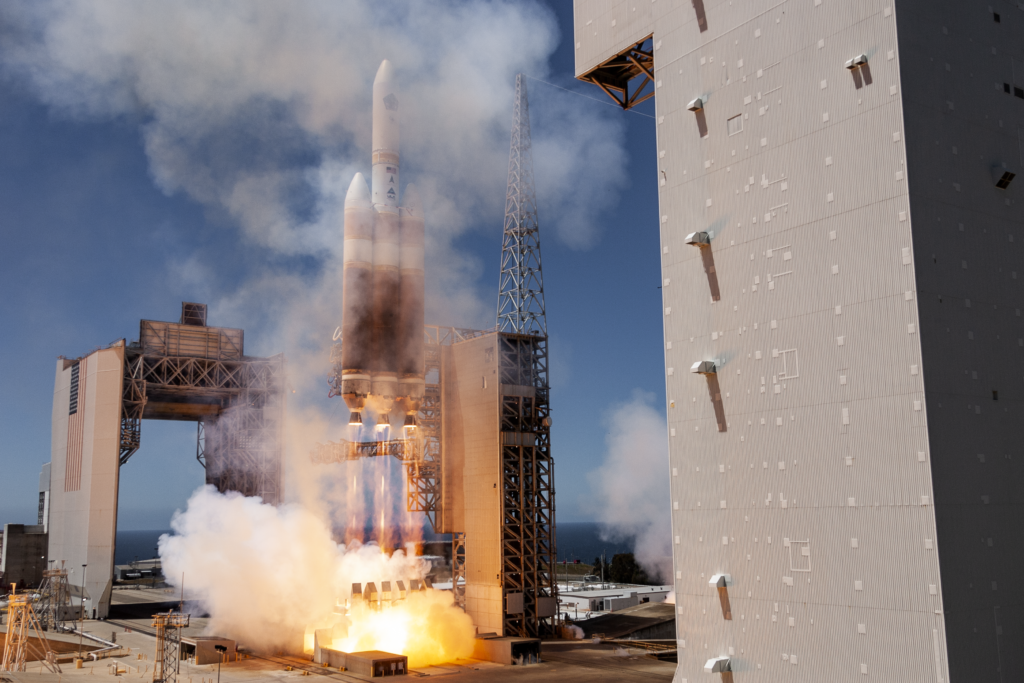
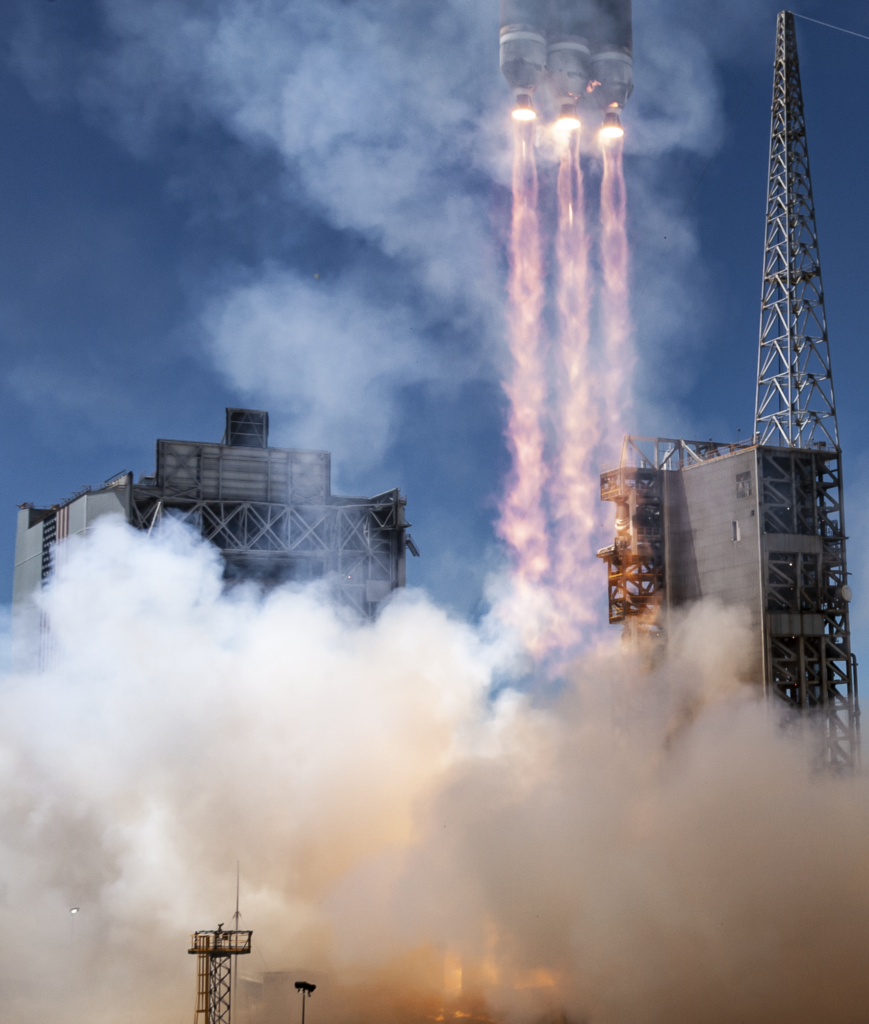
In conjunction with United Launch Alliance (ULA) and the 30th Space Wing, the NRO launched a classified payload from VAFB’s Space Launch Complex 6 (SLC-6) high atop a 233 foot two-stage Delta IV Heavy rocket.  ULA’s Delta IV Heavy rocket is currently the most powerful rocket in the world capable of delivering a 31,000-pound payload into geostationary orbit or up to a 62,000-pound payload into low-earth orbit.  The Delta IV Heavy is comprised of three common booster core tanks that are constructed of isogrid aluminum barrels, spun-formed aluminum domes and machined aluminum tank skirts. The Delta IV booster propulsion is provided by three variable thrust RS-68A engine systems which uses cryogenic -423 degree liquid hydrogen (LH2) and -273 degree liquid oxygen (LOX).  When operating a maximum power the three RS-68A engines each generate a whopping 705,250 pounds of thrust at sea level for a combined 2.1 million pounds of thrust, consuming an astounding 5,000 pounds of LH2 and LOX per second.  As a result of the extreme fuel temperature’s the booster’s cryogenic tanks are insulated with a combination of spray-on or bond-on insulation and helium-purged insulation blankets.  The booster is controlled by the avionics system which provides guidance and flight control.  The second stage booster is a delta cryogenic second stage that fuels a single RL10B-2 engine with both LH2 and LOX to produce 24,750 pounds of thrust. The RL10B-2 is ultimately responsible to delivering the payload to its final orbital destination following the separation of the three common core boosters.

On April 26th, 2021, VAFB, NRO, and ULA successfully launched a clandestine reconnaissance payload from SLC-6, concluding ULA’s 13th Delta IV Heavy launch in its history.  I was fortunate enough to be granted base access to photograph the launch, both from a nearby viewing location on launch day, as well as the ability to have access to SLC-6 the day before to setup remote camera near the launch pad.  These cameras were equipped with sound-activated noise triggers that captured the images the mighty Delta IV Heavy lifting off launch pad. Many thanks to the folks at VAFB for being excellent and professional stewards.

Liftoff.
All gas. No brakes.
Throttle up.

Douglas Family Preserve Photowalk

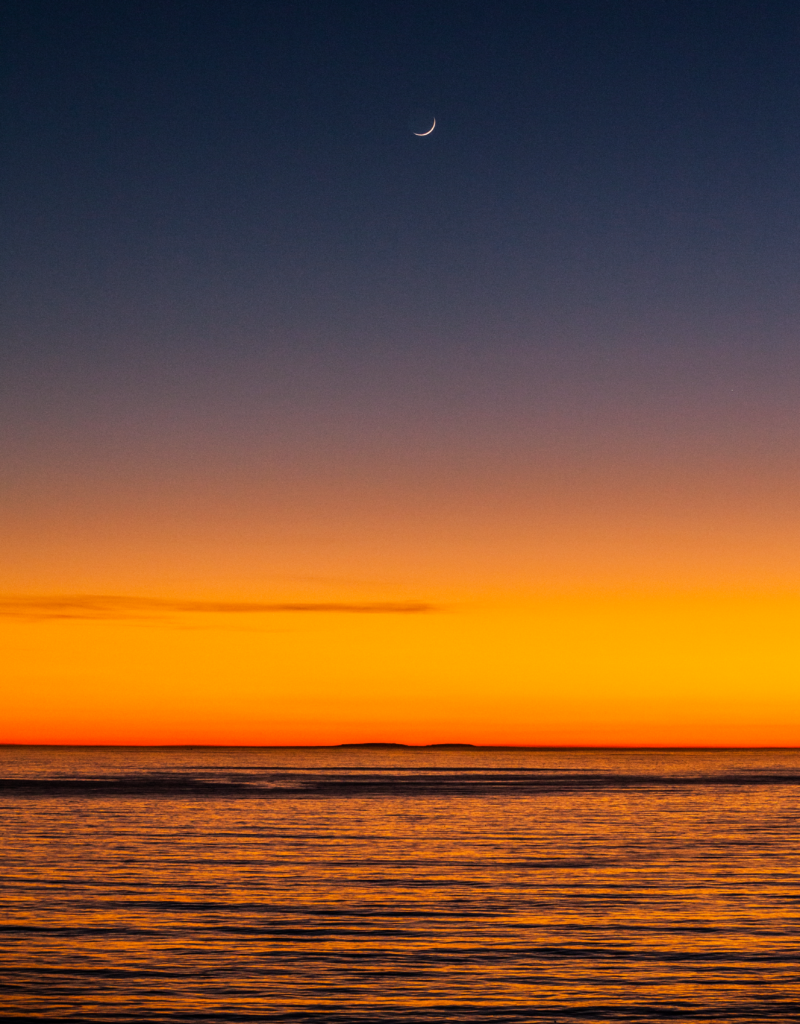
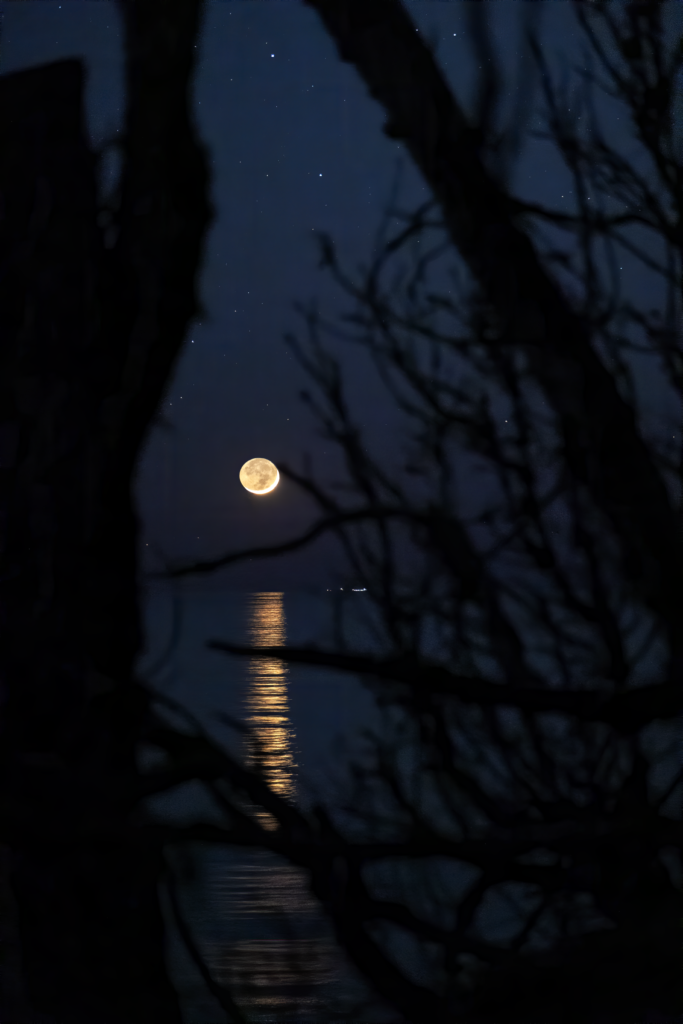
Sometimes, the best thing going on in the midst of a worldwide pandemic is grabbing a friend and a camera to see a sunset and the moon. As Jim Morrison often sang, “Let’s swim to the moon.”

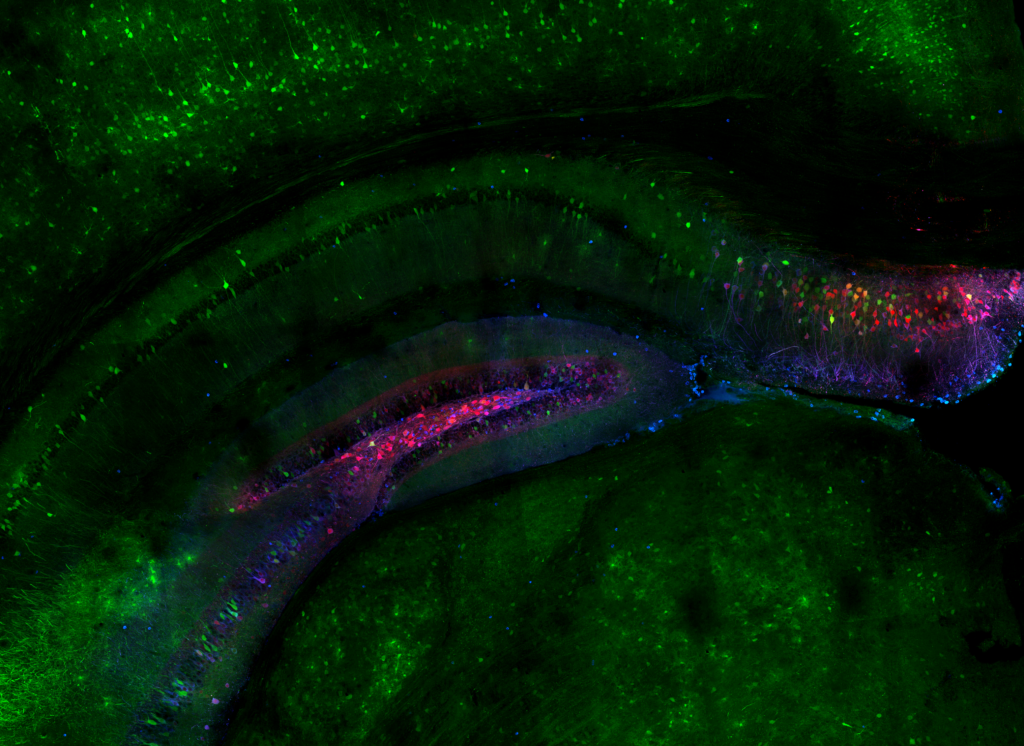
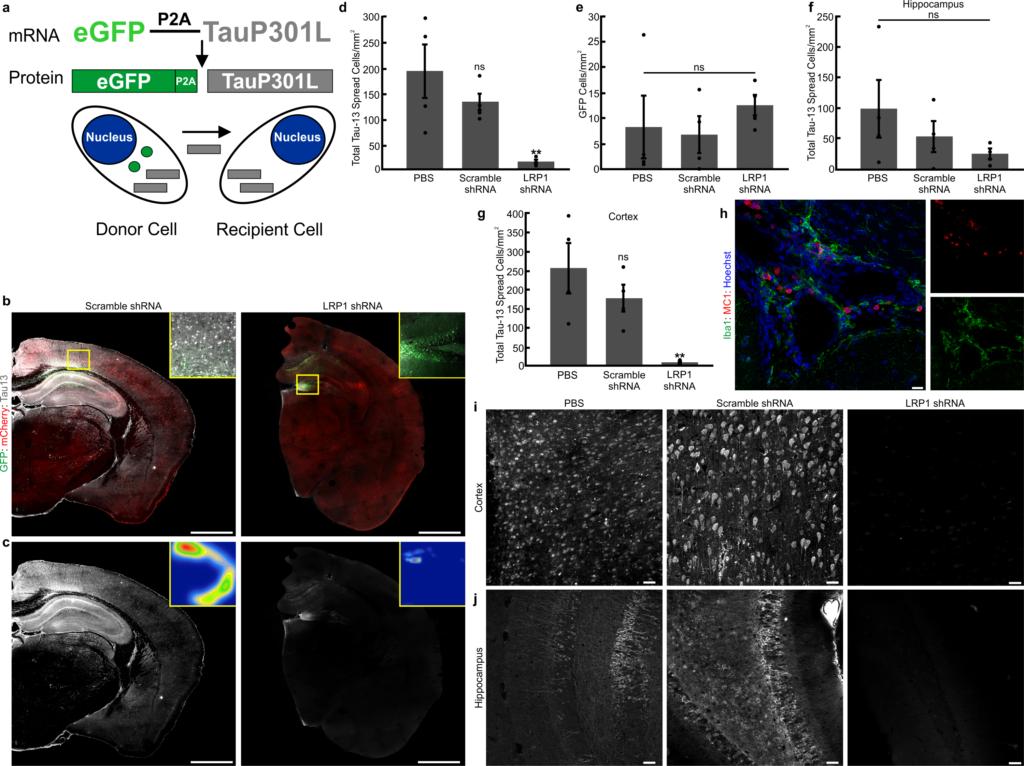
LRP1 is a master regulator of tau uptake and spread

Our latest publication in the journal Nature is now avaliable!

Authors: Jennifer N. Rauch, Gabriel Luna, Elmer Guzman, Morgane Audouard, Collin Challis, Youssef E. Sibih, Carolina Leshuk, Israel Hernandez, Susanne Wegmann, Bradley T. Hyman, Viviana Gradniaru, Martin Kampmann, and Kenneth S. Kosik

Abstract:  The spread of protein aggregates during disease progression is a common theme underlying many neurodegenerative diseases. The microtubule-associated protein tau has a central role in the pathogenesis of several forms of dementia known as tauopathies—including Alzheimer’s disease, frontotemporal dementia and chronic traumatic encephalopathy. Progression of these diseases is characterized by the sequential spread and deposition of protein aggregates in a predictable pattern that correlates with clinical severity. This observation and complementary experimental studies have suggested that tau can spread in a prion-like manner, by passing to naive cells in which it templates misfolding and aggregation. However, although the propagation of tau has been extensively studied, the underlying cellular mechanisms remain poorly understood. Here we show that the low-density lipoprotein receptor-related protein 1 (LRP1) controls the endocytosis of tau and its subsequent spread. Knockdown of LRP1 significantly reduced tau uptake in H4 neuroglioma cells and in induced pluripotent stem cell-derived neurons. The interaction between tau and LRP1 is mediated by lysine residues in the microtubule-binding repeat region of tau. Furthermore, downregulation of LRP1 in an in vivo mouse model of tau spread was found to effectively reduce the propagation of tau between neurons. Our results identify LRP1 as a key regulator of tau spread in the brain, and therefore a potential target for the treatment of diseases that involve tau spread and aggregation.

Farnesyl Transferase Inhibition for the Treatment of Tauopathies

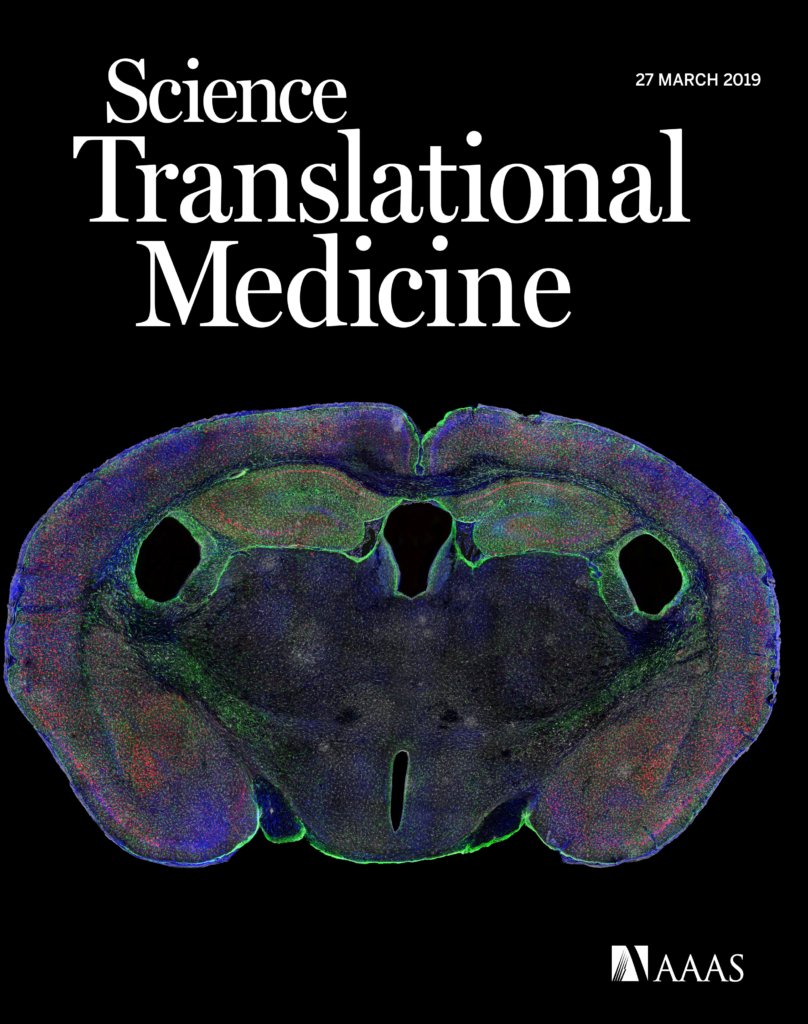
Our latest publication in the journal Science Translational Medicine is now avaliable! The article in its entirety can be found here. I was fortunate enough to provide the imaging data for this project as part of the Kosik Molecular and Cellular Neurobiology lab. I was also lucky enough to have my image selected as a the journal cover.

Journal cover Science Translational Medicine, March issue 2019.

Authors: Israel Hernandez, myself, Michel Giroux, Celeste Karch, Daniel Boctor, Youssef Sibih, Nadia Storm, Antonio Dias, Cezary Zekanowski, Alex Kang, Cassidy Hinman, Vesna Cerovac, Elmer Guzman, Honjun Zhou, Alison Goate, Steve Fisher, Ana Cuervo, Ken Kosik.

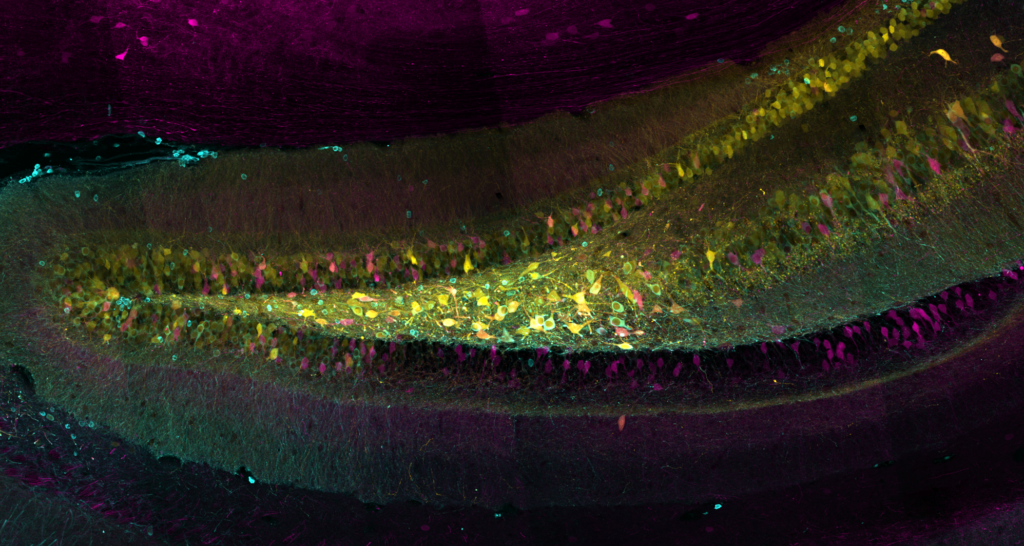
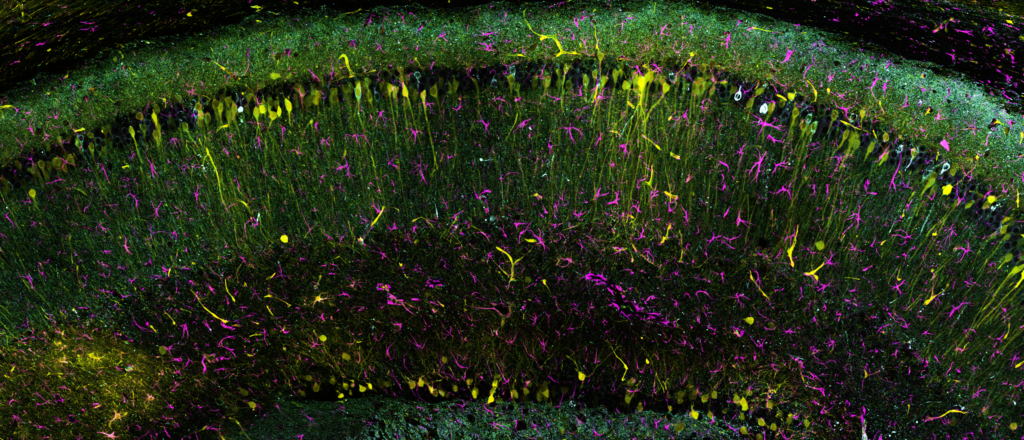
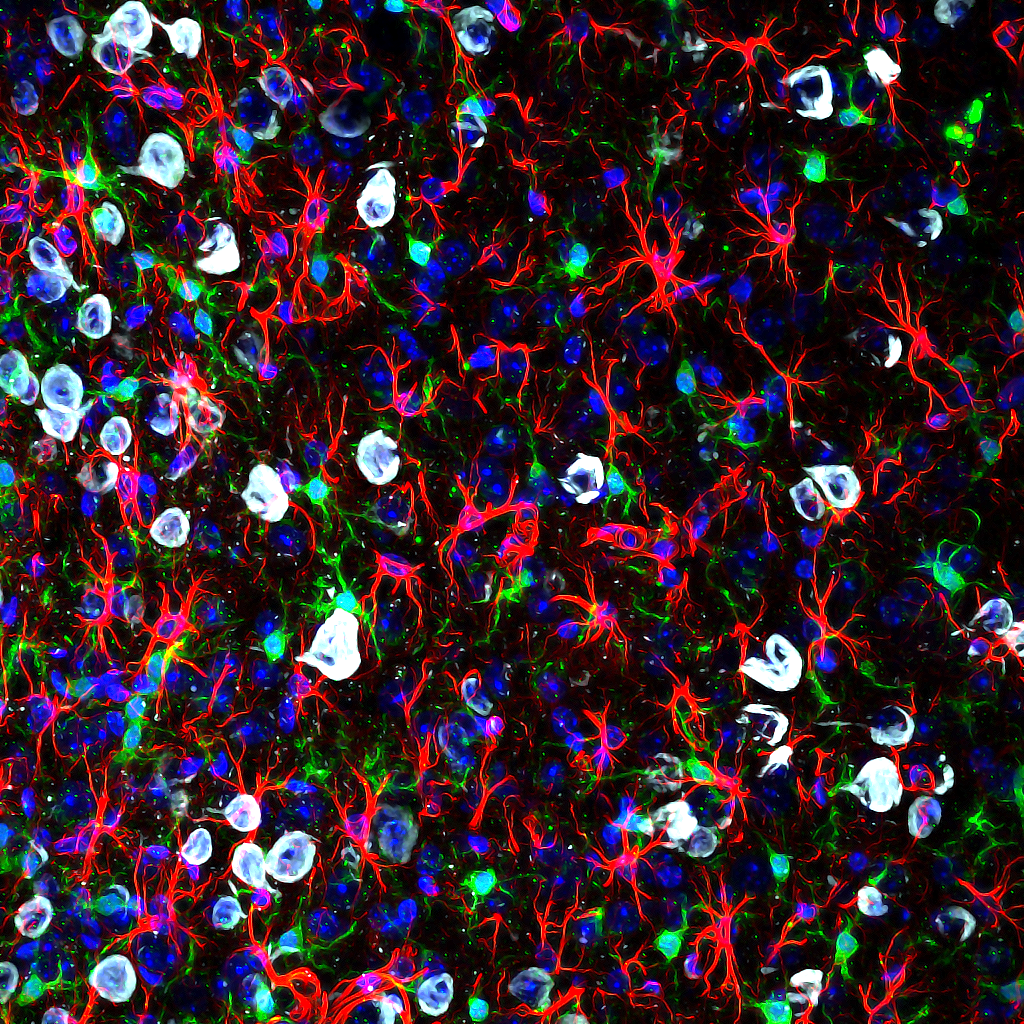
Lateral region of the hippocampus showing pyramidal cells in yellow and protoplasmic astrocytes in magenta.

Abstract:
Tau inclusions are a shared feature of many neurodegenerative diseases, among them frontotemporal dementia caused by tau mutations. Treatment approaches for these conditions include targeting posttranslational modifi-cations of tau proteins, maintaining a steady-state amount of tau, and preventing its tendency to aggregate. We discovered a new regulatory pathway for tau degradation that operates through the farnesylated protein, Rhes, a GTPase in the Ras family. Here, we show that treatment with the farnesyltransferase inhibitor lonafarnib reduced Rhes and decreased brain atrophy, tau inclusions, tau sumoylation, and tau ubiquitination in the rTg4510 mouse model of tauopathy. In addition, lonafarnib treatment attenuated behavioral abnormalities in rTg4510 mice and reduced microgliosis in mouse brain. Direct reduction of Rhes in the rTg4510 mouse by siRNA reproduced the results observed with lonafarnib treatment. The mechanism of lonafarnib action mediated by Rhes to reduce tau pathology was shown to operate through activation of lysosomes. We finally showed in mouse brain and in hu-man induced pluripotent stem cell–derived neurons a normal developmental increase in Rhes that was initially suppressed by tau mutations. The known safety of lonafarnib revealed in human clinical trials for cancer suggests that this drug could be repurposed for treating tauopathies.

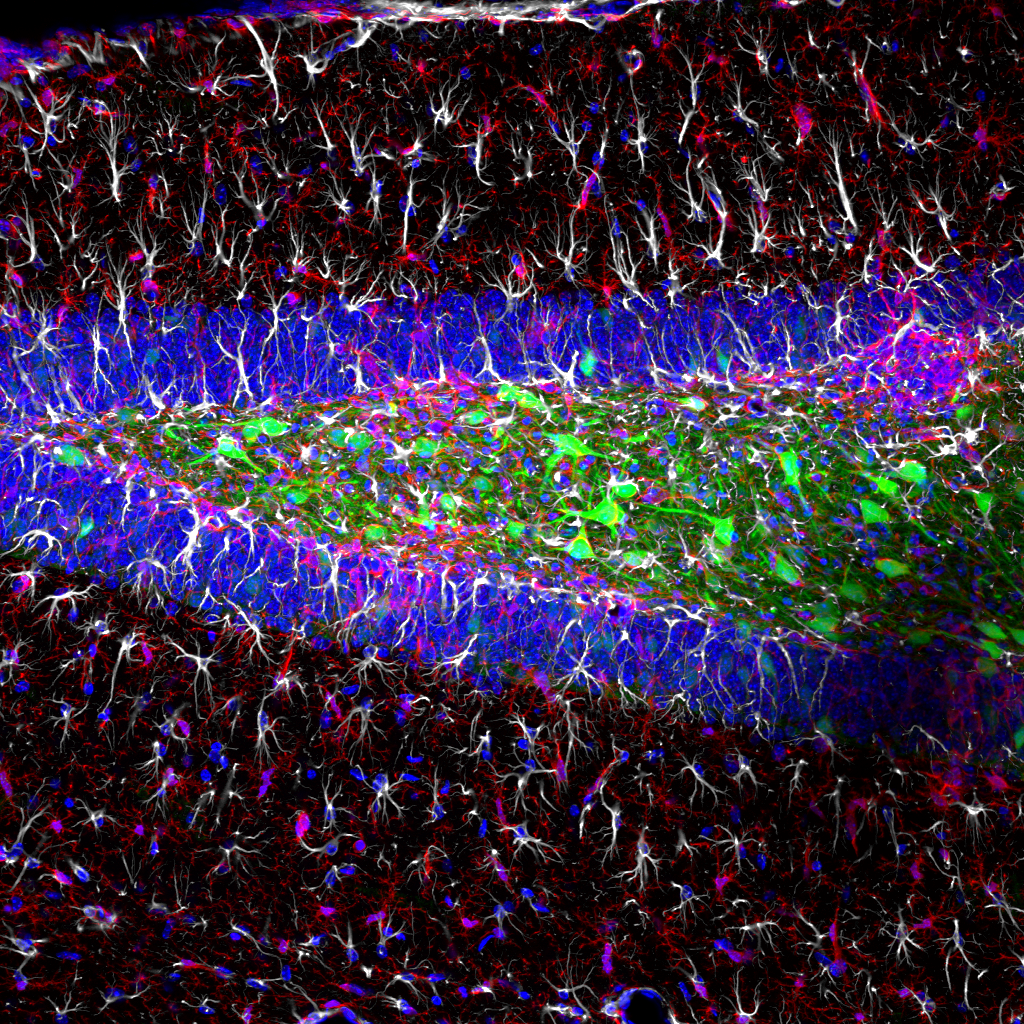
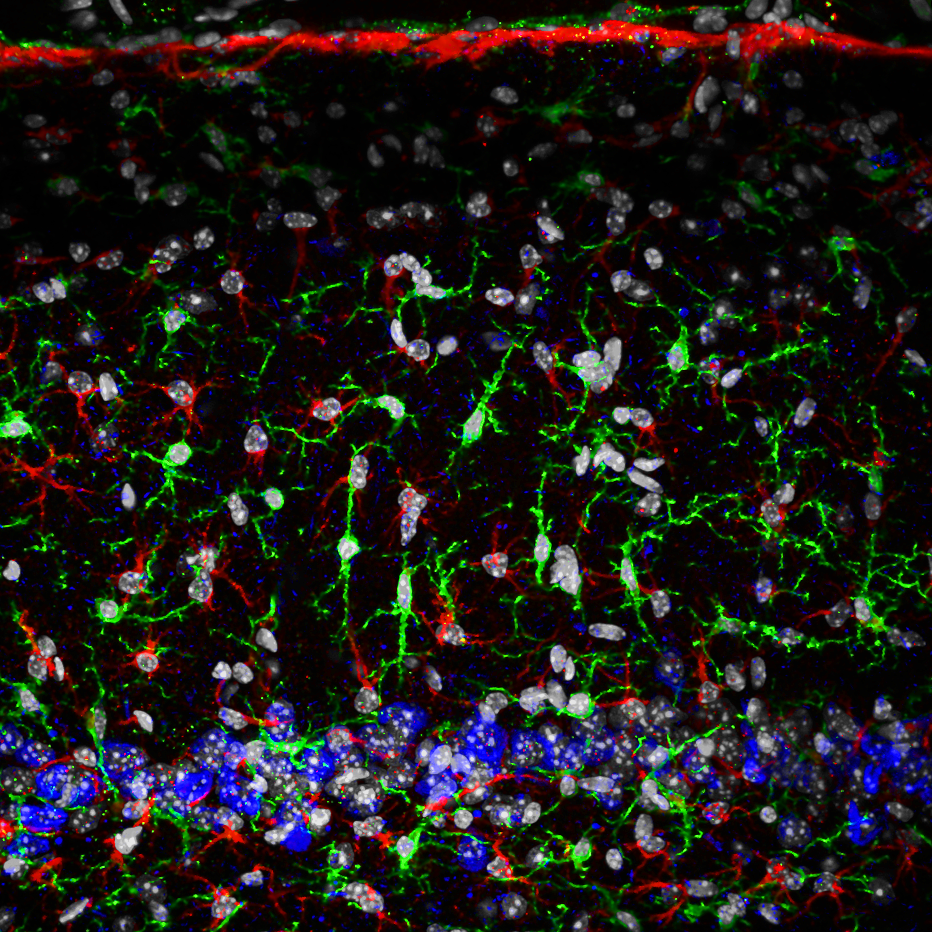
Selected region of the hippocampus showing resident microglia in green, astrocytes in red, the mutant form of tau in white.
Selected region of the hippocampus showing resident microglia in green, astrocytes in red, the mutant form of tau in blue.

News and Media Coverage: Scientific American, The Conversation, Gizmodo, UC Santa Barbara, San Francisco Chronicle.

2018 Nikon Small World

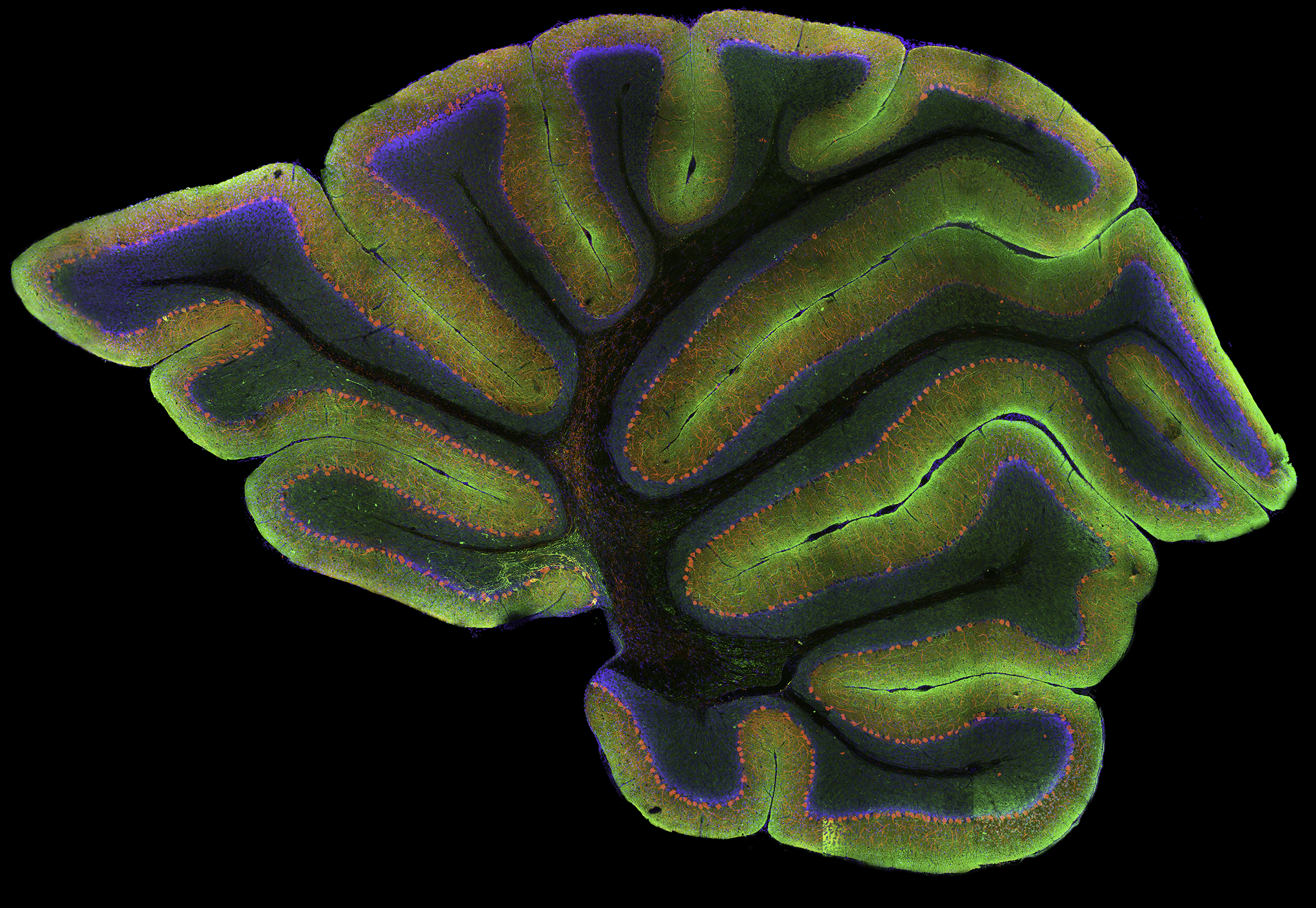
High-resolution, wide-field mosaic of the cerebellum.
Each year I look forward to the Nikon Small World International Photomicrography competition.  This year I was fortunate enough to receive image of distinction honors.  The Small World competition featured thousands of entries from 89 countries, showcasing some of the worlds best microscopists who share their talents in the premiere imaging contest.  I entered the image above of the cerebellum as part of my research in Dr. Kenneth Kosik’s cellular and molecular neurobiology lab in the Neuroscience Research Institute at UC Santa Barbara that was captured using immunoctyochemisty and a laser scanning confocal microscope.  The resultant image is comprised of hundreds of individual images or tiles that are seamlessly aligned and registered to provide both a global overview of the specimen as well as the resolution necessary to interrogate selected regions at the single-cell level.  The mosaic shows the Purkinje cells (red) lining the cerebellum, as well as the ubiquitous protein, tau (green) and nuclei (blue).  I have always been drawn to the cerebellum in part because of its sulci and gyri that demonstrate a remarkable sense of evolutionary complexity and aesthetic beauty.

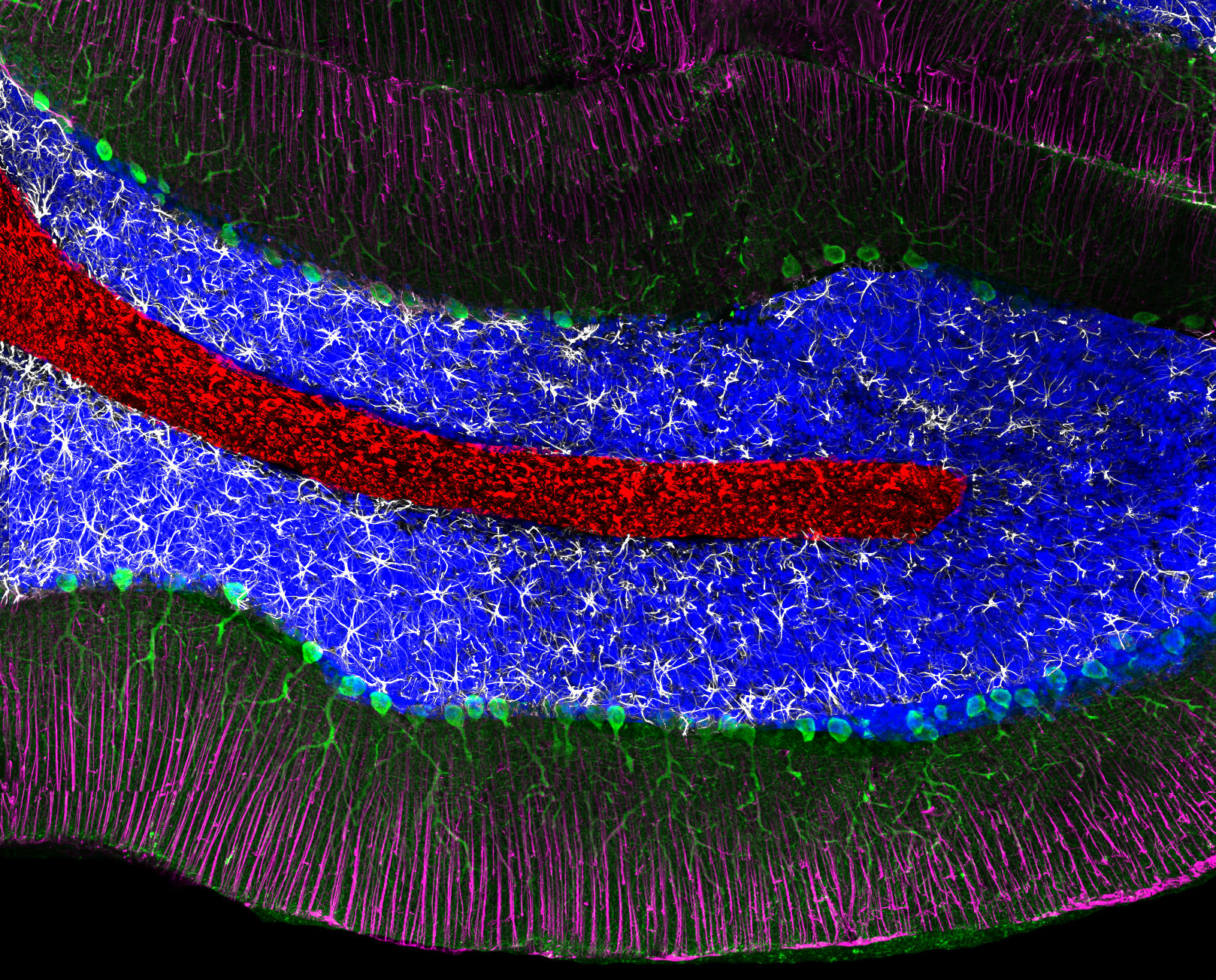
Example of a single tile that comprise the above mosaic.

This example shows the resolution of a single tile that comprises the winning image.  Here, Perkinje cells stained with an antibody to inositol triphosphate 3 (green), the intermediate filament protein GFAP (glial fibrillary acidic protein; white), Bergmann’s glia (magenta), nuclei (blue) and myelin basic protein (red).